• SUNY Fackbook
  • SUNY Linkedin
  • SUNY Youtube
Categories
News

Aramid Fibre Cutting Machine

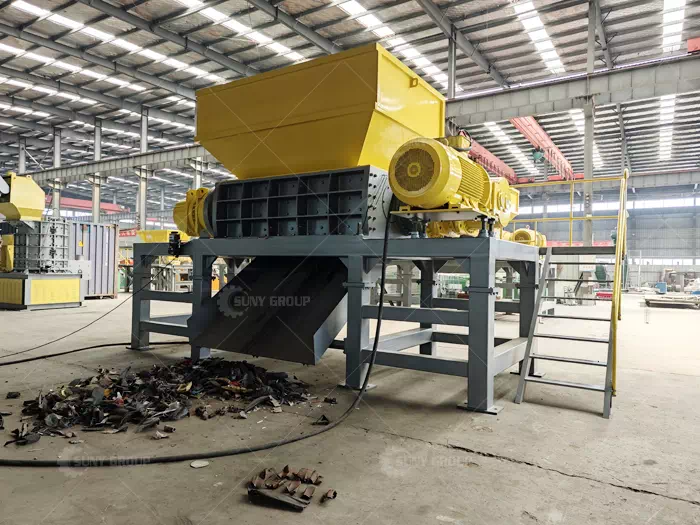
A fiber cutting machine is specialized equipment designed for processing various types of waste fiber materials. It is capable of cutting materials—such as glass fibers, carbon fibers, aramid fibers, and yarn scraps—into precise, controllable lengths, thereby facilitating resource recycling and enhancing the efficiency of downstream processing. This equipment is widely utilized across the composite materials, construction materials, and textile industries.

Equipment Functionality and Scope of Application

This equipment features an optimized design specifically engineered to address the challenges associated with the complex variety and tangled nature of waste fibers. It is capable of processing a wide range of materials, including glass fibers, carbon fibers, aramid fibers, mineral fibers, and organic fibers. Utilizing a robust feeding and cutting system, the machine can continuously process fibers in loose, knotted, or mixed states, thereby minimizing the need for manual sorting and preliminary preparation steps.

Its core value lies in its “high compatibility”: a single machine can accommodate multiple types of fibers, making it an ideal solution for recycling enterprises or manufacturing environments that require the processing of diverse materials.

Adjustable Cutting and Structural Features

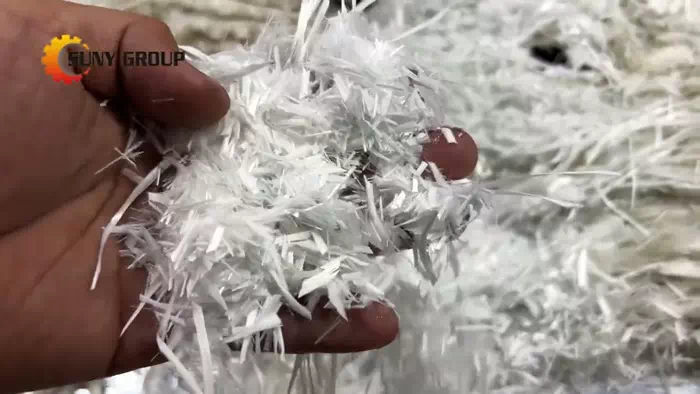
The equipment incorporates an adjustable cutting mechanism that allows users to set the fiber length according to specific application requirements, enabling flexible switching between short-staple and medium-to-long staple fibers. This precise length control capability directly influences the performance of downstream products—for instance, by enhancing the reinforcing effect in composite materials or ensuring uniformity in filler materials.

In terms of structural design, the machine is typically outfitted with wear-resistant cutting blades and a stable transmission system. This configuration allows it to effectively handle the cutting demands of high-strength materials—such as carbon fibers and aramid fibers—while simultaneously accommodating the flexible processing requirements of organic fibers. This ensures a stable and continuous cutting process, effectively minimizing issues such as material clogging and tangling.

Application Value and Resource Recycling

Fibers that have undergone this precise cutting process can be repurposed for various applications, including the reinforcement of composite materials, the production of thermal insulation materials, or the manufacturing of recycled textile products. This “waste-to-reuse” transformation pathway significantly boosts material utilization rates and helps enterprises reduce their raw material costs.

For the recycling industry, this equipment not only streamlines processing workflows but also enhances the consistency of the finished output, thereby elevating the intrinsic reuse value of waste fibers. Its applications span across numerous sectors, including construction, automotive, aerospace, and textiles. For further details, please contact us.
Categories
News

Copper Motor Disassembly Machine

In the recycling of end-of-life motors, the efficient separation of copper and iron directly determines both the recovery value and processing efficiency. To this end, the motor stator disassembly equipment developed by Suny Group enables the precise processing of motors of various sizes, thereby increasing copper recovery rates and reducing labour costs.

Equipment Configuration and Division of Labour

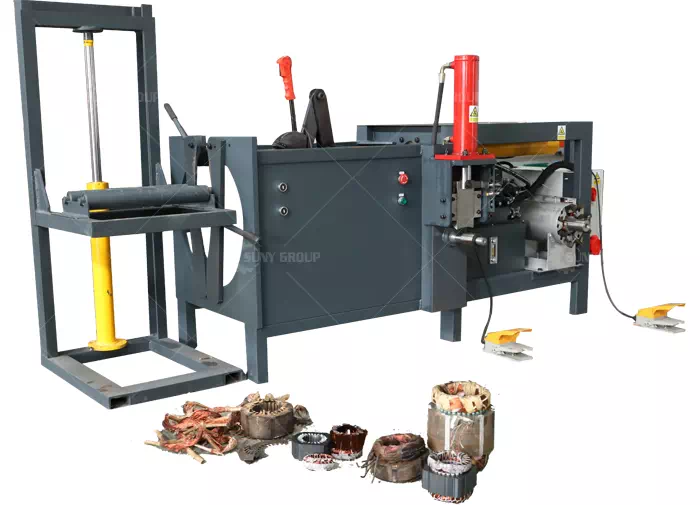
A complete motor stator disassembly solution typically comprises two core types of equipment: the motor stator cutting machine and the three-function motor stator recovery machine. These are not substitutes for one another, but rather complementary pieces of equipment designed to work in tandem through sequential processes. The cutting machine is primarily designed for large-volume, densely structured scrap motor stators. It uses mechanical cutting to open the stator casing, creating the conditions for subsequent copper wire separation; whilst the three-function machine undertakes more precise processing tasks, suitable for cutting, ejecting, and extracting copper wire from small and medium-sized motor stators, thereby achieving a more complete separation of copper and iron.

Copper Motor Disassembly Machine

Copper Motor Disassembly Machine

Analysis of Core Equipment Functions

The core value of the motor stator cutting machine lies in ‘breaking down the structure’. With large motors, the internal windings are tightly packed and highly rigid, making traditional manual disassembly difficult and inefficient. By using high-strength cutting tools, the outer ring of the stator can be rapidly cut open, exposing the internal copper windings and significantly reducing the difficulty of subsequent processing.

The three-function motor stator recycling machine, on the other hand, focuses more on “precision processing”. Integrating cutting, ejection, and copper extraction into a single unit, it is capable of extracting the copper wires from within the stator—either as a whole or in bundles—after the initial cutting is complete, thereby reducing copper loss and improving the purity of the recovered material. This type of equipment is particularly suitable for small and medium-sized motors; it offers flexible operation and strong adaptability, making it a crucial component in achieving automated dismantling.

Synergistic Operation Enhances Overall Efficiency

In actual production, these two types of equipment typically operate in tandem. Large motors are first processed by the cutting machine before entering the three-function unit for copper wire separation; small and medium-sized motors, however, can proceed directly to the three-function unit for end-to-end processing. This tiered processing approach not only improves equipment utilisation but also ensures that materials of different specifications receive tailored processing solutions, thereby guaranteeing overall recycling efficiency and cost-effectiveness.

Categories
News

PCB Shredders and Recycling Machines

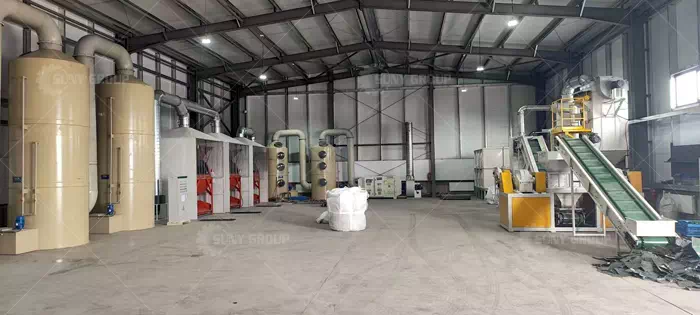
The PCB circuit board recycling production line developed by SUNY GROUP centers on the synergistic operation of multi-stage crushing and precision sorting equipment, achieving the effective separation of metals from resin powder. This enhances resource recovery efficiency and reduces processing costs.

Crushing and Pulverizing Equipment Configuration

The first step in PCB recycling is size reduction. This typically involves using a dual-shaft shredder to crush whole circuit boards into smaller fragments coarsely. The material then proceeds to a hammer mill or blade pulverizer for secondary refinement, reducing it to a particle size suitable for sorting. To ensure optimal subsequent sorting results, the system also incorporates grinding equipment to further pulverize the mixture into a uniform fine powder, thereby maximizing the degree of dissociation between metallic and non-metallic components. The entire crushing stage emphasizes continuous feeding and stable discharge to ensure the smooth operation of the production line.

Core Equipment for Sorting and Purification

Once pulverization is complete, the critical task is to achieve the effective separation of different materials. First, an airflow sorting system is employed to preliminarily separate lightweight resin powder from heavier metal particles based on density differences. Subsequently, an electrostatic separator is utilized to perform a fine separation between metallic and non-metallic components—a crucial step in enhancing the purity of the recovered materials. Some systems are also equipped with magnetic separators to remove ferrous impurities. Through this combination of multi-stage sorting processes, the final output consists of high-purity metal powder and reusable non-metallic powder.

Auxiliary Systems and Operational Features

To ensure stable equipment operation, the PCB recycling line is typically outfitted with a comprehensive dust removal system that effectively controls dust dispersion and improves the working environment. Furthermore, the entire line utilizes PLC-based automatic control to facilitate the coordinated operation and parameter adjustment of individual machines, thereby minimizing the need for manual intervention. The modular design allows the production line to be flexibly configured according to processing scale, making it suitable for recycling scenarios with varying capacity requirements.

If you are interested or have any specific requirements, please feel free to contact us for a consultation at any time!

Categories
News

Machines for the Recycling of Lithium-ion Batteries

Against the backdrop of the rapid development of the new energy industry, the recycling and processing of end-of-life lithium-ion batteries is no longer merely an environmental issue, but also a vital gateway to resource reuse. Compared to simple dismantling or crude processing, a comprehensive lithium-ion battery recycling system is the true key to determining recycling efficiency and economic value.

A Core Equipment System Integrating Multiple Processes

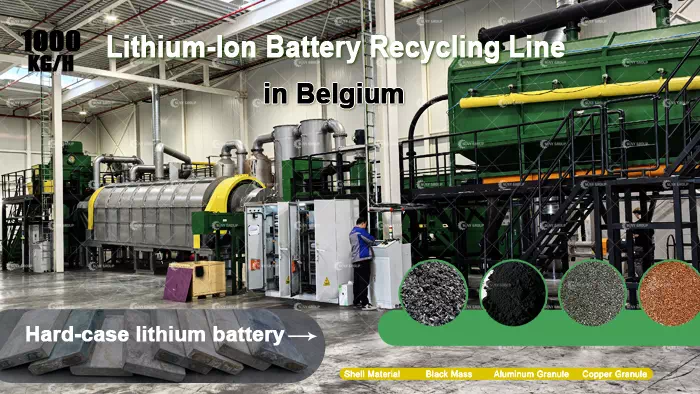
A lithium-ion battery recycling production line comprises a range of coordinated equipment, covering key stages such as discharge, pre-treatment, crushing, and safety control. Firstly, end-of-life batteries enter specialised discharge equipment, where they are fully discharged in a sealed environment to eliminate safety hazards posed by residual charge. Subsequently, the material enters the pre-treatment system, where dual-shaft shredders or primary crushers dismantle the batteries, breaking down their structure.

The focus of this stage lies in ‘safe and stable feeding’ rather than the degree of fine crushing. The equipment is typically fitted with dust extraction and sealing systems to effectively control the release of dust and harmful gases, providing a stable operational foundation for subsequent processes.

Machines for the Recycling of Lithium-ion Batteries

Machines for the Recycling of Lithium-ion Batteries

Low-Temperature Treatment and High-Efficiency Crushing and Separation

Following pre-treatment, the material enters a low-temperature volatilisation or drying system, where heating and temperature control are used to remove electrolyte and moisture. This process not only enhances the efficiency of subsequent separation but also reduces the risk of equipment corrosion.

This is followed by the core crushing stage, where a hammer mill further pulverises the battery materials through high-speed impact, ensuring thorough dissociation of the copper foil, aluminium foil, and electrode coatings. In conjunction with trommel screens and air classification systems, materials of different particle sizes and densities are sorted, achieving preliminary separation. The key to this stage lies in thorough dissociation; otherwise, it will directly affect the purity of the black powder.

Multi-stage Sorting and High-Purity Recovery

Following fine processing, the system proceeds to the multi-stage sorting phase. Ferrous materials are separated using magnetic separation equipment, whilst air classification and density separation are employed to progressively extract copper, aluminium, and separator materials. The resulting black powder is rich in key metallic elements such as lithium, nickel, cobalt, and manganese, serving as a vital feedstock for subsequent hydrometallurgical extraction.

The design of the entire equipment emphasises high recovery rates and strict impurity control. Copper and aluminium recovery rates can reach over 98%, whilst black powder recovery rates are consistently maintained at a high level. Concurrently, this effectively reduces metal carryover issues and enhances overall resource utilisation efficiency.

At its core, lithium-ion battery recycling is a competition of ‘equipment capability’. Only production lines equipped with a complete process and efficient sorting capabilities can consistently generate stable value during actual operation. professional e-waste PCB recycling and precious metal recovery facility

Categories
News

Semi-Automatic Solar Panel Recycling Plant

With the continued rise in global photovoltaic installed capacity, the resource recovery of end-of-life modules has emerged as a new frontier in the environmental protection industry. Catering to medium-scale production requirements and initial investment considerations, the semi-automatic solar panel recycling production line offers recyclers a cost-effective solution thanks to its mature technology and stable operation.

Modular Pre-processing: Efficient Dismantling of Frames and Junction Boxes

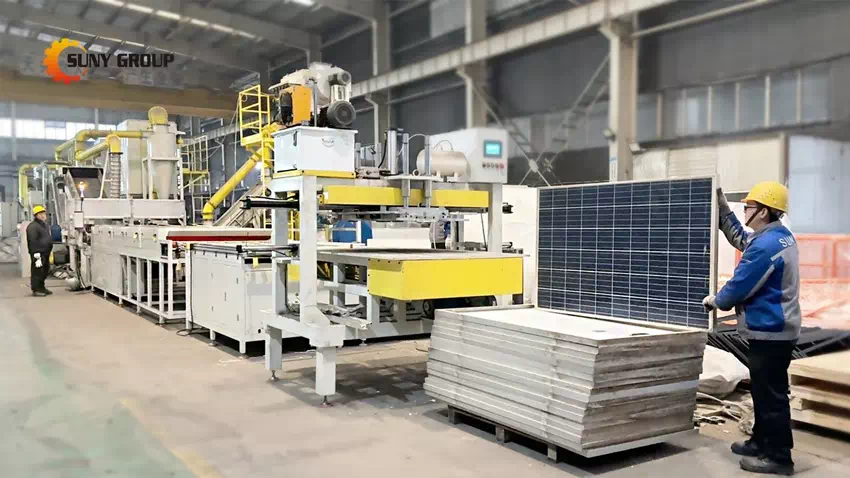
The first step in the recycling process begins with the physical disassembly of the modules. Equipped with a semi-automatic frame and junction box removal machine, this production line utilises precise mechanical positioning and cutting power to swiftly and completely strip away the aluminium alloy frames and remove the junction boxes from the rear. This step not only clears the way for subsequent in-depth processing but also facilitates the initial recovery of high-value metal materials. The modular design simplifies operation, significantly reducing the complexity of manual tasks whilst maintaining processing speed.

Semi-Automatic Solar Panel Recycling Plant

Semi-Automatic Solar Panel Recycling Plant

Core Separation Process: Heated Peeling Glass Recovery System

Glass constitutes the largest proportion by weight in photovoltaic modules, and its purity directly determines its recycling value. This production line incorporates an advanced heated peeling system that utilises controlled thermal energy to soften the encapsulation materials, enabling the precise separation of tempered glass from the internal solar cells layer by layer via a precision peeling mechanism. Compared to traditional crushing methods, the heated delamination process drastically reduces glass breakage rates whilst maintaining exceptionally high material purity. This ‘non-destructive’ separation technology not only enhances the market value of the glass but also effectively prevents cross-contamination.

Advanced Sorting and Recycling: Precise Recovery of EVA, Metals, and Silicon Powder

Following glass delamination, the cell layers proceed to the crushing and sorting stages. The EVA solar cell crushing and sorting line utilises multi-stage crushing and physical screening technologies to separate the mixed material into plastic pellets, metal powders (such as copper, silver, and aluminium), and high-purity silicon powder. By employing density separators and a high-efficiency dust collection system, the entire line achieves precise capture of fine materials. This stage is central to improving resource recovery rates, ensuring that every element within the waste modules can be reintroduced into the industrial chain.

Consequently, this semi-automated recycling solution optimises initial construction costs whilst maintaining equipment reliability. It is particularly well-suited to small and medium-sized recycling enterprises seeking a strong return on investment, thereby helping the photovoltaic industry achieve a green, closed-loop system across the entire product lifecycle.

Categories
Case

Mongolian Client PCB Recycling Line

Mongolian Client PCB Recycling Line

Mongolian Client PCB Recycling Line

Categories
Copper Wire Recycling Machine Products

Small Copper Wire Granulator Machine

BACKGROUND OF THE PROJECT

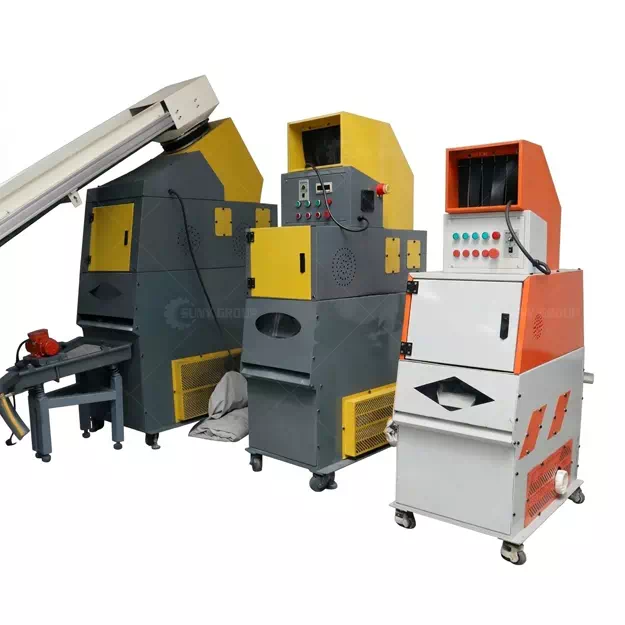
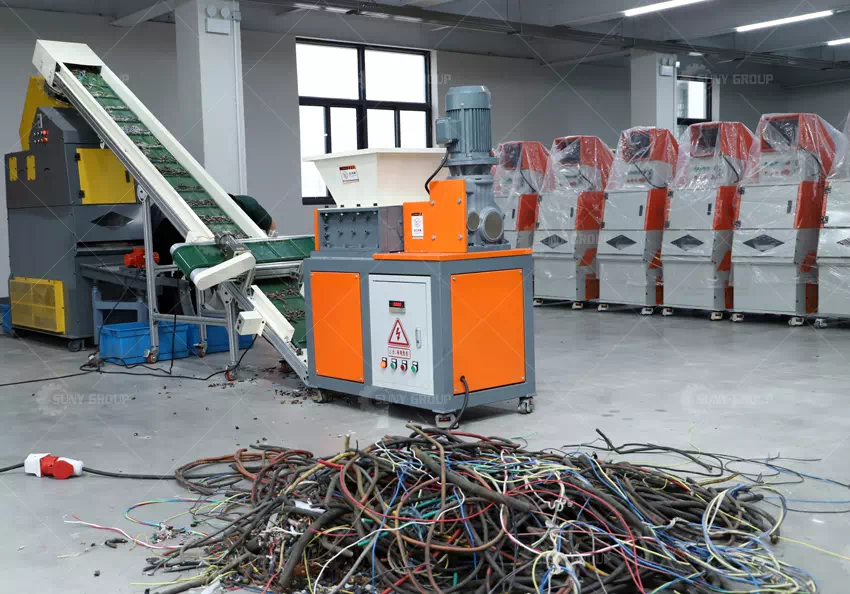
Rising demand for localized recycling has created a need for compact, efficient wire processing. This small copper rice machine is a plug-and-play solution for home workshops or startups. Supporting single-phase power with aviation plugs, it offers a user-friendly, button-operated design. It balances a 30-200kg/h capacity with high separation purity, making professional metal recovery affordable, mobile, and environmentally compliant.

APPLICABLE MATERIALS & OUTPUT

Applicable Materials: Various scrap electric wires and cables (such as automotive wires, household communication wires, and network cables).

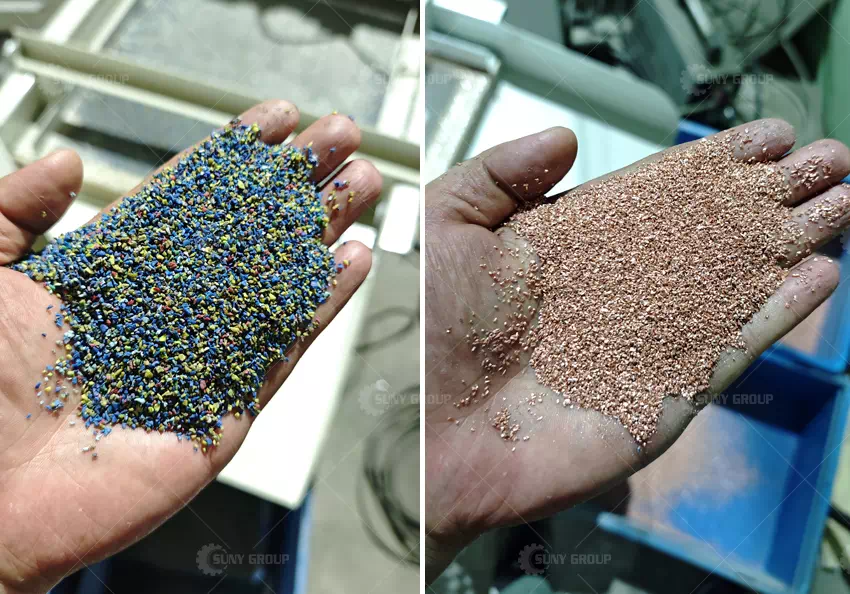
Output: High-purity, clean copper granules (copper rice) and separated plastic pellets.

Pure Copper and Plastic Granules

MACHINE ADVANTAGES

Small Copper Wire Granulator Machine

Home Power Compatibility: Specifically designed to support single-phase electricity, perfect for residential or small workshop environments.

Highly Portable: Features a compact design with optional trolley/wheels for effortless movement and flexible placement.

Cost-Effective: Offers the most competitive pricing on the market, making it an ideal choice for wholesale or budget-conscious buyers.

User-Friendly Operation: Equipped with an intuitive button control panel and professional aviation plugs for “plug-and-play” simplicity.

Rapid Delivery: Maintained in high stock levels to ensure same-day dispatch and minimize waiting times.

TECHNICAL PARAMETERS

Small Copper Wire Granulator Machine

Model
Output
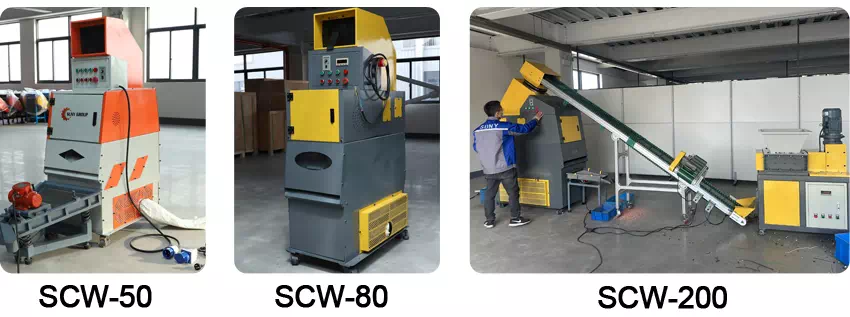
SCW-50 30-50KG/H
SCW-80 50-80KG/H
SCW-200 100-200KG/H
Categories
News

Mattress Shredder Processing Equipment

Discarded mattresses contain a variety of recyclable materials, such as metal springs, wood, fabrics, and foam. By utilizing specialized mattress shredding and processing equipment, these materials can be efficiently shredded and sorted, thereby enabling resource recovery and reuse.

The Core Structure of Mattress Shredding Equipment

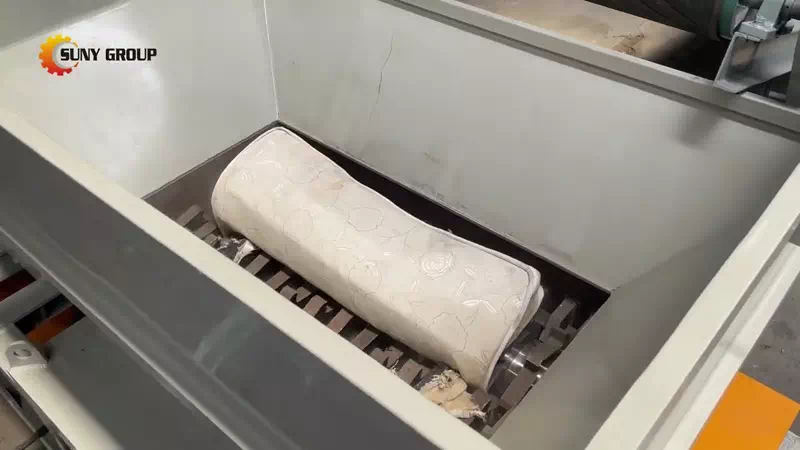
In the process of recycling discarded mattresses, the shredding equipment serves as the central component of the entire production line. Mattresses are first fed into a large-scale shredder via a conveyor system for processing. The shredder is equipped with high-strength cutter shafts and wear-resistant blades, capable of tearing large, intact mattresses into smaller, manageable fragments.

Given the complex internal structure of mattresses—which comprises both metal springs and soft materials—the equipment must be designed with robust shredding capabilities. Dual-shaft shredders operate at low speeds and high torque, allowing them to effortlessly process mattress materials containing steel springs while preventing material jams or mechanical damage, thereby enhancing overall processing efficiency.

Multi-Stage Sorting Systems for Material Separation

After undergoing preliminary shredding, the mattress material proceeds to the subsequent sorting stage. Through the use of various types of sorting equipment, the metal springs within the mattresses can be effectively separated from other materials.

First, the material passes through a magnetic separation unit, which isolates and recovers the steel springs and other metal components. The metal materials recovered via magnetic separation can be directly channeled into the metal recycling industry for reuse. The remaining material—consisting primarily of lightweight components such as foam, fabric, and wood—can be further categorized using screening or air separation equipment.

Through this multi-stage sorting system, materials of different compositions can be recovered separately, thereby maximizing resource utilization efficiency while simultaneously alleviating the burden of waste disposal.

The Value of Mattress Recycling Equipment

Compared to traditional manual dismantling methods, specialized mattress shredding and sorting equipment offers distinct advantages, including high processing efficiency and a high degree of automation. A complete production line can operate continuously and stably, significantly boosting the overall processing capacity for discarded mattresses.

Once processed by this specialized equipment, materials such as metal springs, foam, and fabrics are effectively recovered. This not only helps to mitigate environmental pollution but also provides a new source of raw materials for the recycled resource industry.

Categories
Products Shredder Equipment

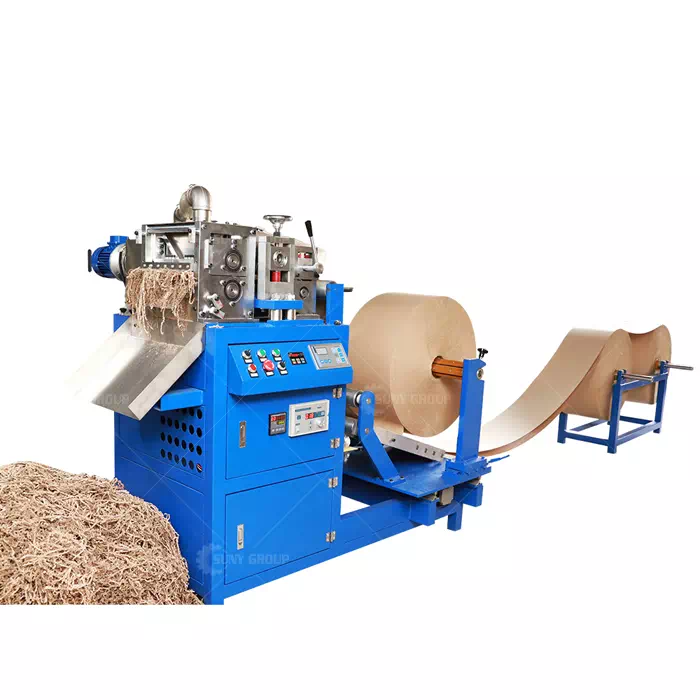
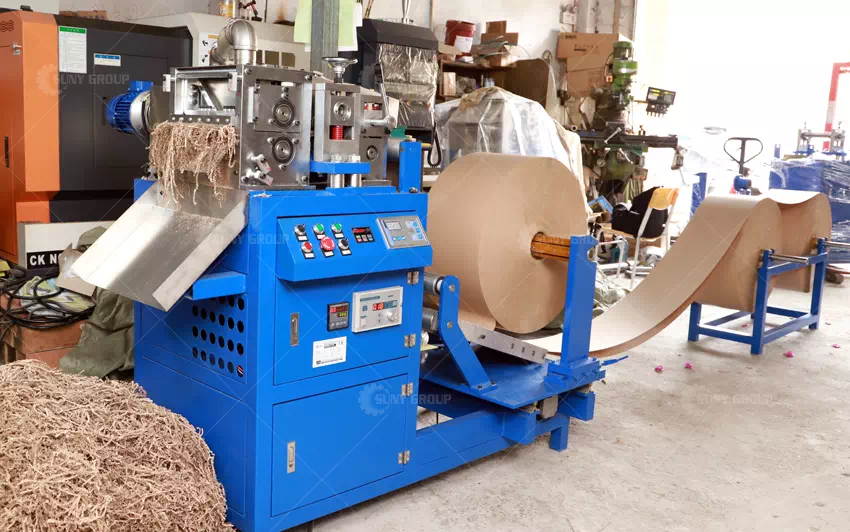
Fully Automatic Crinkle Paper Shredder

BACKGROUND OF THE PROJECT

As the demand for sustainable and aesthetic gift packaging rises, this machine offers a professional solution for creating custom box fillers. With 20 years of expertise, it automates the production of high-quality crinkle and straight paper strips.

APPLICABLE MATERIALS & OUTPUT

Suitable for various paper types with a thickness of up to 180g.

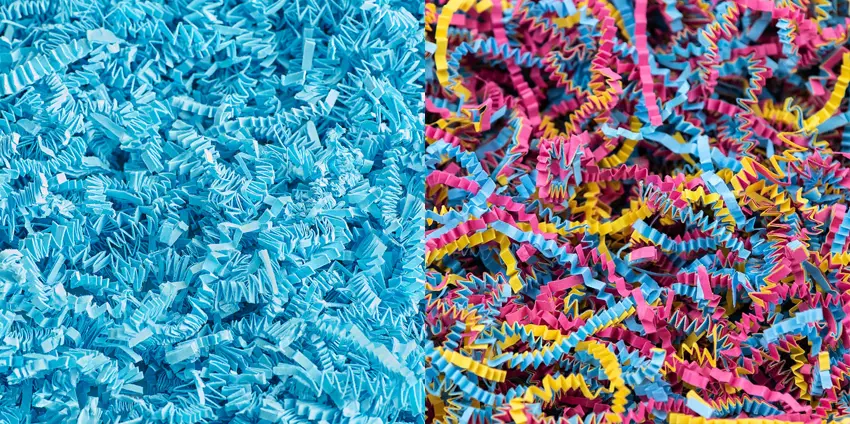
The machine produces two distinct effects: crinkle and straight shredded paper. It can process 1, 2, or 3 layers simultaneously, allowing the final output to feature single-color or multi-color combinations based on customer requirements.

Crinkle Paper

MACHINE ADVANTAGES

Fully Automatic Crinkle Paper Shredder

Dual-Effect Versatility: A single machine capable of producing both crinkle and straight paper strips to suit different packaging styles.

Full Automation: The entire production process—from shredding width to cutting length—is fully adjustable and automated, ensuring high efficiency.

Simple Operation: Equipped with an intuitive English interface and button controls, allowing a single operator to manage the device easily.

Customizable Multi-Layering: Supports up to 3-layer feeding, enabling the creation of unique, multi-colored decorative fillers.

Proven Quality: Built with 20 years of manufacturing experience, ensuring superior equipment durability and consistent production output.

TECHNICAL PARAMETERS

Parameter
Specification
Model ZY-RS800
Paper Strip Width 3mm
Feed inlet Size 300mm
Motor Power Main motor power: 3.8kw Total power: 6kw
Dimensions Shredder: 1850x1150x1350mm Material Rack: 1000x450x500mm
Machine Weight Net weight: 770kg Gross weight: 880kg
Accepted Paper Thickness 50-180g
Cutting Speed 0.6-0.7m/s (Adjustable)
Capacity About 100-120kg/hour
Paper Width 296mm
Support Paper Roll Diameter 500-700mm
Categories
Products Scrap Metal Recycling Equipment

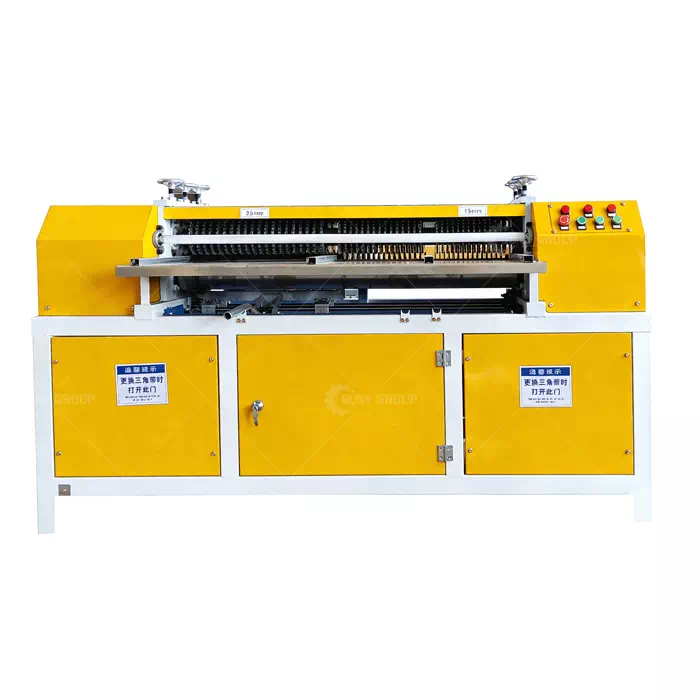
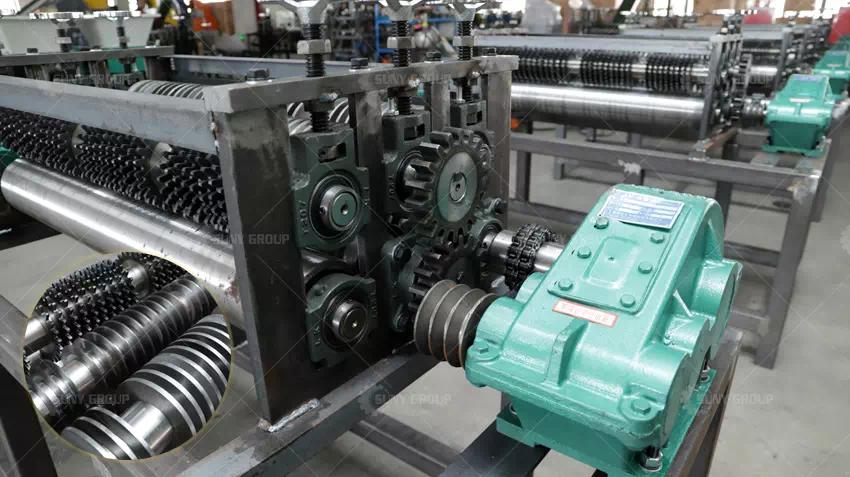
AC Radiator Stripper

BACKGROUND OF THE PROJECT

As metal recycling demands grow, manual separation has become too slow and costly. This machine was developed to automate the recovery of valuable copper and aluminum. It provides an industrial-grade solution for processing scrap AC radiators with high precision and reliability.

APPLICABLE MATERIALS & OUTPUT

Scrap air conditioner radiators, heater radiators, and water tank radiators. It is compatible with single-layer or multi-layer copper tubes and supports three standard radiator specifications.

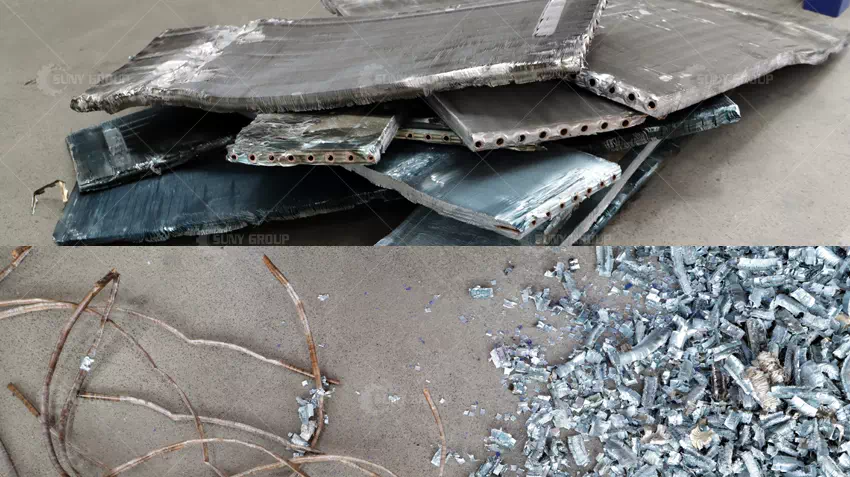
The machine yields cleanly stripped, intact copper tubes and separated aluminum fins, maximizing the purity and resale value of both metals.

Raw Materials and Output

MACHINE ADVANTAGES

AC Radiator Stripper

High Efficiency: Fully automated stripping significantly reduces manual labor.

Versatility: Adjustable to handle multiple radiator sizes and tube layers.

Stability: Built with a robust 700kg frame and a powerful 7KW motor for continuous industrial use.

Precision: Designed to minimize metal loss during the separation process, ensuring high recovery rates.

Compact Design: Optimized dimensions (175010001200mm) for easy integration into recycling facilities.

TECHNICAL PARAMETERS

Overall Dimension (mm) Power (kW) Weight (kg)
1750 * 1000 * 1200 7 700
Categories
News

Industrial Shredders and Cable Separators

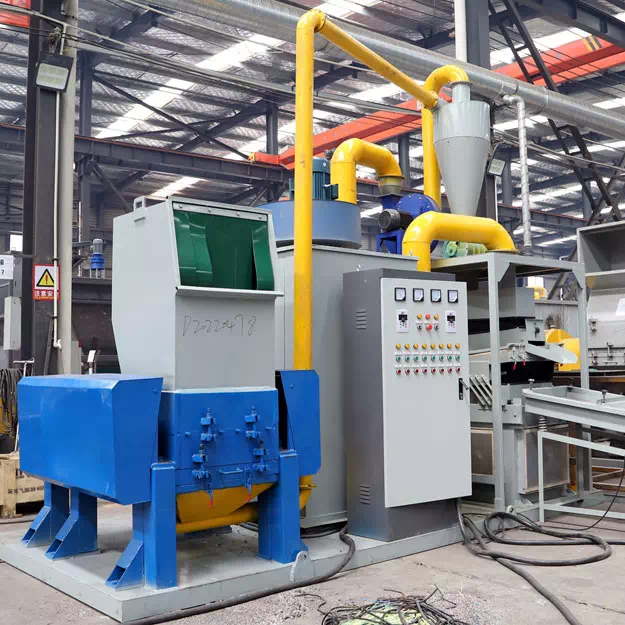
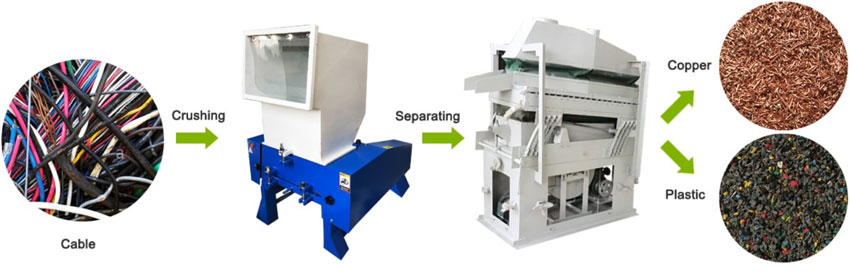
The interior of cables typically consists of copper conductors and plastic insulation. Direct processing is not only inefficient but also leads to resource wastage. Consequently, specialised cable shredding and separation equipment has progressively become an essential tool within the wire recycling industry. Through a comprehensive suite of industrial shredding and sorting machinery, waste cables can be rapidly processed, enabling the efficient separation of copper from plastic.

Single-shaft shredders perform primary shredding.

In cable recycling operations, the initial step typically involves using single-shaft shredders for preliminary shredding of waste wires and cables. Featuring high-strength shafts and wear-resistant blades, this equipment effortlessly processes cables and wires of various specifications, including mixed cables, thick cables, and insulated wires.

Industrial Shredders and Cable Separators

Operating at low speed with high torque, the single-shaft shredder reduces large cable volumes into smaller, block-like structures, preparing them for subsequent crushing. This equipment offers stable operation, along with automatic control and overload protection features, making it widely adopted in industrial recycling production lines.

Further processing with crushing and granulating equipment

The preliminarily shredded cable material is conveyed to a crusher for secondary pulverisation. The crusher further processes the cable fragments into smaller particles, gradually separating the copper wires from the plastic sheathing. Subsequently, these materials enter a granulator for refinement, transforming the mixture into uniform pellets.

Once the pellets reach the appropriate size, the equipment employs an air classification system for separation. Leveraging the weight and density differences between copper and plastic pellets, the air separator efficiently segregates the two materials, yielding preliminary copper pellets and plastic pellets.

Electrostatic Separation Enhances Copper Purity

Should higher-purity copper be required, electrostatic separation equipment can be incorporated at the production line’s end. Electrostatic separators exploit differences in material conductivity, using an electric field to further segregate copper and plastic particles, thereby enhancing the purity of the copper granules.

Through this comprehensive processing sequence, copper resources from waste cables can be efficiently recovered, while the plastic can be reused as recycled material. This approach not only improves resource utilisation but also reduces environmental pollution.

Categories
News

Powerful Dual-shaft Shredder for Scrap Metals

With the development of the metal recycling industry, a large amount of scrap iron, steel, aluminum, and other metal materials requires efficient crushing. To improve recycling efficiency and reduce labor costs, dual-shaft shredders have gradually become important equipment for scrap metal pretreatment.

Working Principle of a Dual-Shaft Shredder

This equipment adopts a dual-shaft, low-speed, high-torque design. High-strength alloy blades are installed on the two main shafts, which rotate relative to each other under the drive of a motor. When scrap metal enters the crushing chamber, the blades crush the larger metal materials into smaller pieces through shearing, tearing, and compression. Compared to traditional crushing equipment, dual-shaft shredders operate more stably, have lower noise, and generate less dust.

Powerful Dual-shaft Shredder for Scrap Metals

The equipment is usually equipped with an automatic reverse control system. When encountering materials that are difficult to crush, the system automatically adjusts the running direction, effectively preventing equipment jamming or overload, thus ensuring the long-term stable operation of the production line.

Powerful Structure and Wide Application

The Powerful Dual-shaft Shredder for Scrap Metals, although relatively compact in size, has a very robust internal structure. The entire machine is welded from heavy-duty steel plates, providing excellent impact resistance. The blades are made of wear-resistant alloy materials, capable of withstanding prolonged high-intensity operation.

This equipment is suitable not only for common metals such as iron, steel, and aluminum, but also for processing scrap metal, metal drums, thin sheet materials, and some electronic waste. After shredding, the material volume is significantly reduced, facilitating subsequent transportation, magnetic separation, or further fine sorting.

A Key Equipment for Improving Recycling Efficiency

In scrap metal recycling production lines, dual-shaft shredders are often used as front-end pre-processing equipment. By initially crushing metal materials, the processing efficiency of subsequent equipment can be significantly improved, while reducing overall production costs. For scrap metal recycling companies, this type of equipment not only increases production capacity but also helps them achieve more efficient resource recycling.

If you are looking for a stable and efficient scrap metal shredding solution, the Powerful Dual-shaft Shredder for Scrap Metals is an important piece of equipment worth considering. Please contact us to learn more about equipment parameters and application solutions.