• SUNY Fackbook
  • SUNY Linkedin
  • SUNY Youtube
Categories
News

Small Industrial Shredder for Plastic Film & Light Materials

The Small Industrial Shredder uses a low-speed, high-torque shredding principle to efficiently reduce the size of bulky lightweight materials. It is particularly effective in minimizing material wrapping and clogging issues, making it an ideal pre-processing solution for small recycling facilities, resource recovery centers, and industrial waste management operations.

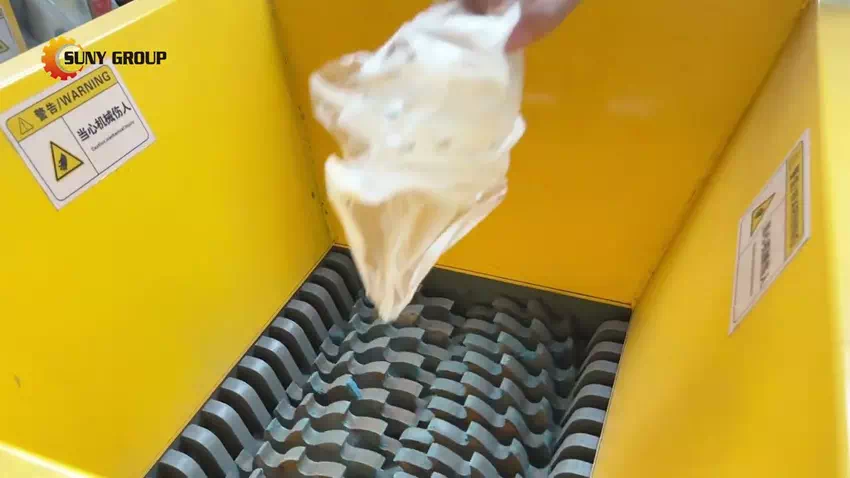
Unlike conventional high-speed crushers, this mini dual shaft shredder features two counter-rotating shafts equipped with specially designed blades. Materials are shredded through a combination of cutting, tearing, and squeezing actions. For difficult materials such as plastic film, woven bags, and flexible packaging waste, the low-speed operation significantly reduces the risk of material winding around the shafts.

The machine is typically equipped with wear-resistant alloy steel blades. Blade thickness and tooth configuration can be customized according to the characteristics of the processed material. When handling plastic film, the material is continuously drawn into the shredding chamber and processed evenly without the floating or scattering issues often associated with high-speed grinding systems. Compared with single-shaft shredders, the dual-shaft design can accept larger feed sizes, reducing the need for manual pre-cutting and improving overall processing efficiency.

Versatile Solution for Various Lightweight Materials

Despite its compact footprint, the small dual shaft shredder is suitable for a wide range of materials, including:

* Plastic products and injection molding scraps

* Cardboard, paper cartons, and packaging materials

* Wood boards, pallets, and wood offcuts

* Kitchen waste and organic waste pre-treatment

* Thin metal sheets, aluminum cans, and other light metal scraps

Depending on the model and configuration, processing capacities typically range from 200 kg/h to over 2,000 kg/h. This capacity range is well-suited for small and medium-sized recycling operations while avoiding the higher energy consumption and space requirements associated with large-scale shredding systems.

In addition, the shredded output size is relatively uniform, allowing materials to move directly to downstream conveying, baling, or secondary crushing processes. This helps improve the continuity and efficiency of the entire recycling line.

As plastic recycling, packaging waste recovery, and resource reutilization industries continue to grow, many recycling businesses are shifting toward decentralized and small-scale processing models. Compared with large industrial shredding systems, the mini dual shaft shredder requires less installation space, offers greater flexibility, and places lower demands on plant infrastructure.
Categories
Products Scrap Metal Recycling Equipment

Industrial Eddy Current Separator Machine

PRODUCT DESCRIPTION

With the surge of waste, recovering non-ferrous metals efficiently is critical. Traditional methods fail to separate non-magnetic metals. To solve this, our Eddy Current Separator was developed. It automatically recycles high-value copper and aluminum from industrial and municipal solid waste, boosting recycling efficiency and sustainability.

APPLICATIONS & MATERIALS

This equipment is widely utilized for the fine screening, enrichment, and recovery of various mixed metallic and non-metallic materials:

E-waste Recycling: Recovery of metals from printed circuit boards (PCBs) dismantled from waste household appliances, PCB leftover materials, and circuit board drilling powder waste.

Scrap Wire & Cable Shredding: Separation of miscellaneous wires, waste home appliance dismantling wires, copper-plastic wires, aluminum-plastic wires, fine flexible cables, computer connection wires, automobile/motorcycle battery cables, and automotive wiring harnesses.

Radiator Separation: High-efficiency separation of aluminum and copper from automotive copper-aluminum radiators and air conditioner radiators.

ELV & Appliance Shredded Scrap: Non-ferrous metals recovery from crushed waste appliances such as automobiles and refrigerators, as well as aluminum separation from automobile sealing strips.

Plastic & Waste Sorting: Separation of aluminum-containing substances from PET bottle flakes, aluminum foil separation from PC plastics, aluminum-plastic composite materials, and aluminum extraction from aluminum-plastic doors and windows.

STRUCTURE & WORKING PRINCIPLE

Main Components

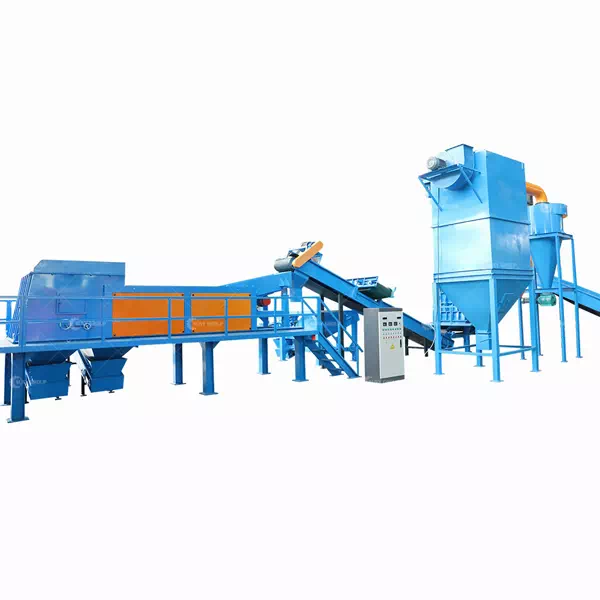
The main body of the equipment features a compact design and highly stable operation, primarily consisting of the following components:

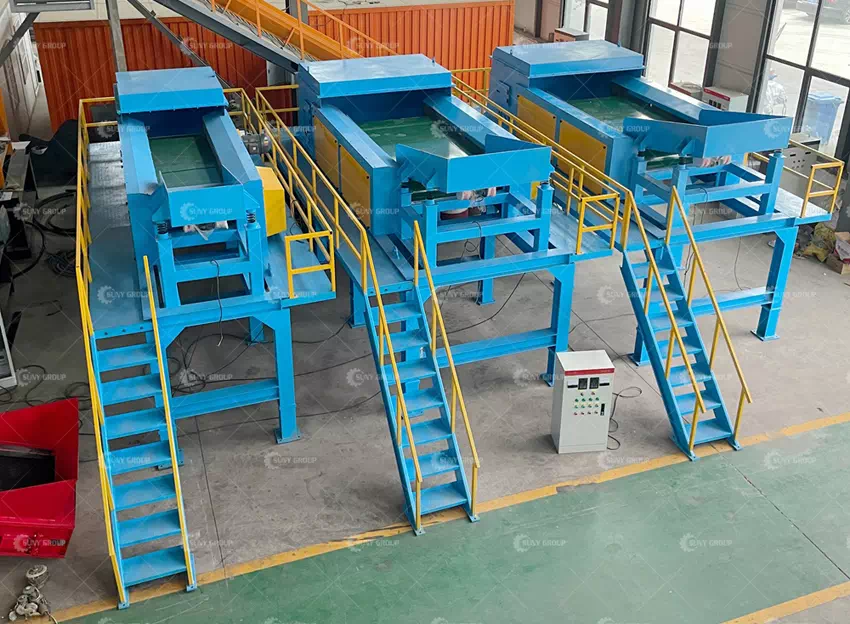
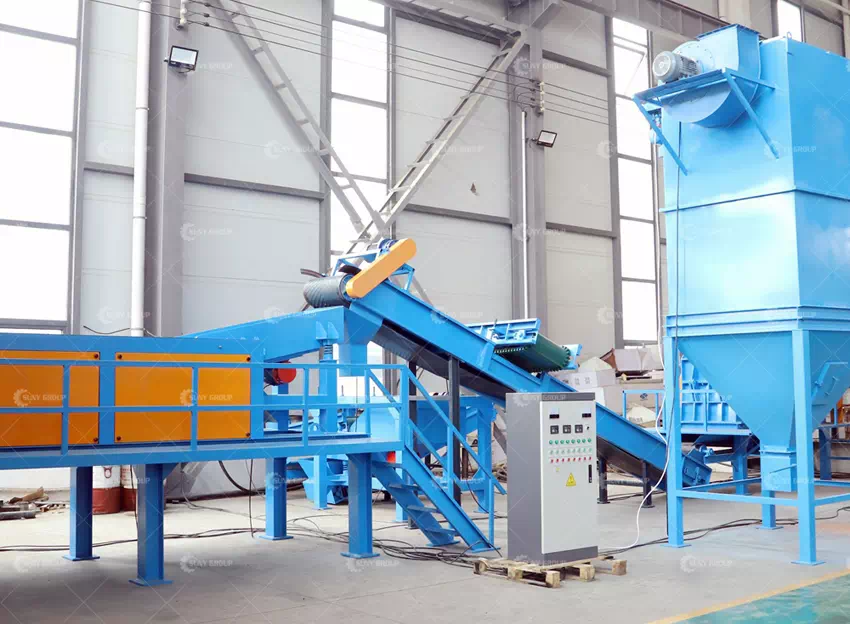
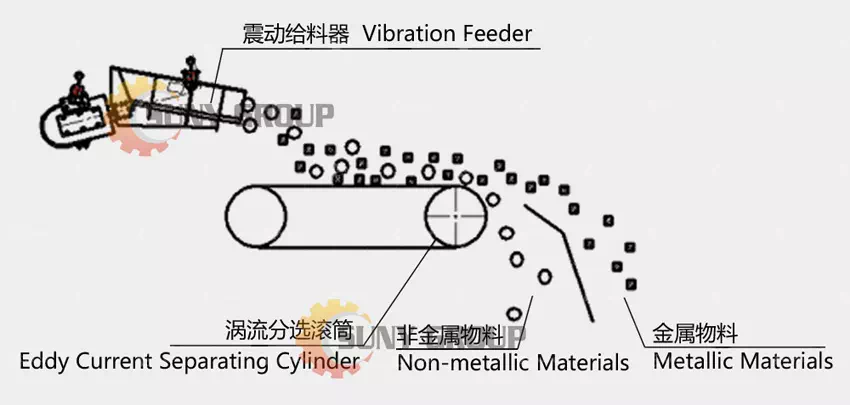
Vibrating Feeder: Ensures that mixed materials are evenly and consistently distributed onto the sorting conveyor belt.

Material Conveying System: Includes a durable material conveyor belt, a belt drive drum, and a speed-adjustable reduction motor.

Eddy Current Separating Cylinder: The core separation component, equipped with a high-gradient permanent magnet assembly rotating at high speeds.

Control Cabinet & Protective Cover: Features an integrated intelligent control cabinet and an industrial-grade safety protective cover.

Structural Principles of Eddy Current Separators

Working Principle

High-Frequency Alternating Magnetic Field: While working, the magnetic roller rotating at high speed produces a high-frequency alternating intense magnetic field on its surface.

Induced Eddy Current: When conductive non-ferrous metals (such as aluminum and copper) pass through this magnetic field, an eddy current is induced inside them.

Opposite Magnetic Repulsion: The induced eddy current itself generates a magnetic field that is opposite to the original magnetic field’s direction.

Precise Leaping Separation: Due to the strong repulsion of the magnetic fields, the non-ferrous metals leap forward along the conveying direction, while non-metallic materials (such as plastics or glass) drop naturally due to gravity, achieving perfect separation.

PRODUCT FEATURES & ADVANTAGES

Industrial Eddy Current Separator Machine

Wide Particle Size Range: Highly flexible in sorting, capable of separating a wide range of metal particle sizes, typically ranging from 3 mm to 100 mm.

Energy Efficient & Easy Maintenance: Equipped with a high-gradient rare earth permanent magnet system, ensuring exceptionally low energy consumption while maintaining high magnetic intensity, alongside easy routine maintenance.

Precise and Accurate Sorting: Supports different rotor directions, allowing accurate sorting of materials with various particle sizes by fine-tuning the operation parameters.

Customization & Flexible Integration: Can be customized based on specific material types and customer requirements, seamlessly integrating with new or existing crushing and recycling production lines.

Multiple Models Available: Available in various models ranging from ZY400 to ZY1500 , with tray/belt widths from 300 mm to 1500 mm. The processing capacity spans from 2 t/h to 15 t/h, perfectly meeting diverse production scale requirements.

Industrial Eddy Current Separator Machine

FAQ

Q1: Are there any preprocessing requirements for materials before entering the eddy current separator?

A: Yes. Before eddy current separation, the materials need to be relatively uniform in size, which is usually achieved by pre-crushing. Our company can provide complete crushing and separation solutions tailored to specific materials and customer requirements.

Q2: How do I determine if my mixed materials are easy to separate using this machine?

A: The main criterion to distinguish is the ratio of material conductivity and density values. Materials with a higher ratio value (such as aluminum and copper) generate a stronger repulsive force in the alternating magnetic field and are much more likely to be separated with high purity.

Categories
News

High-Efficiency Solar Panel Recycling Machinery from China

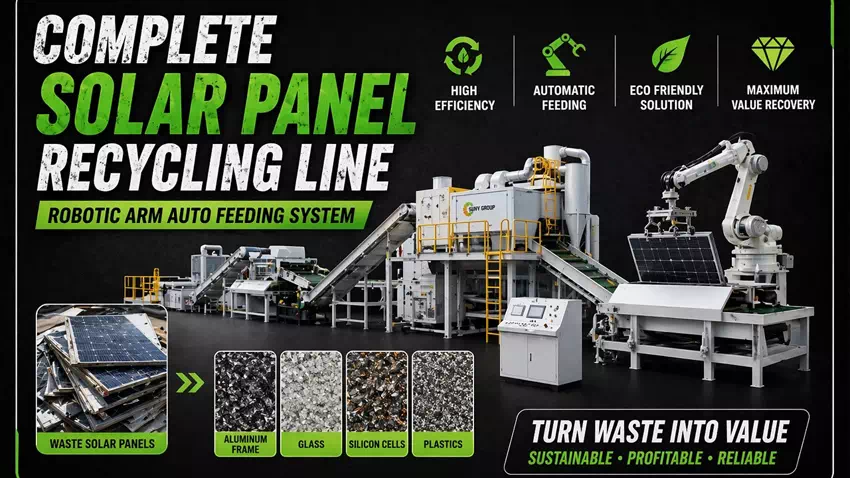
As the number of decommissioned photovoltaic modules continues to rise, solar panel recycling equipment is gradually shifting from simple dismantling towards automation, large-scale operations, and high recovery rates. The photovoltaic panel recycling production line developed by SUNY GROUP, featuring an automated feeding system with robotic arms, can effectively improve processing efficiency, reduce labour costs, and ensure the stable sorting and recovery of aluminium frames, glass, silicon powder, and plastic materials.

Automated feeding system enhances overall line efficiency

In traditional solar panel recycling processes, manual handling and feeding have always been critical factors affecting efficiency and safety. This equipment utilises a robotic arm-based automatic gripping and feeding system, which can continuously convey waste solar panels, reducing the risks associated with manual contact with broken glass and sharp frame edges, whilst ensuring a more stable feeding rhythm.

Depending on the equipment model, the production line offers two processing capacity options: 50–60 panels per hour and 1,000–1,500 kg per hour, making it suitable for both small and medium-sized recycling centres and large-scale photovoltaic module processing projects. The total power range of the equipment is 240 kW–390 kW, capable of meeting continuous production requirements.

Compared to conventional manual feeding methods, the greatest advantage of automated feeding lies not merely in labour savings, but in the reduction of material jams, misalignment, and equipment idling, which has a significant impact on the stability of subsequent crushing and sorting processes.

The multi-stage sorting structure enables efficient material recovery

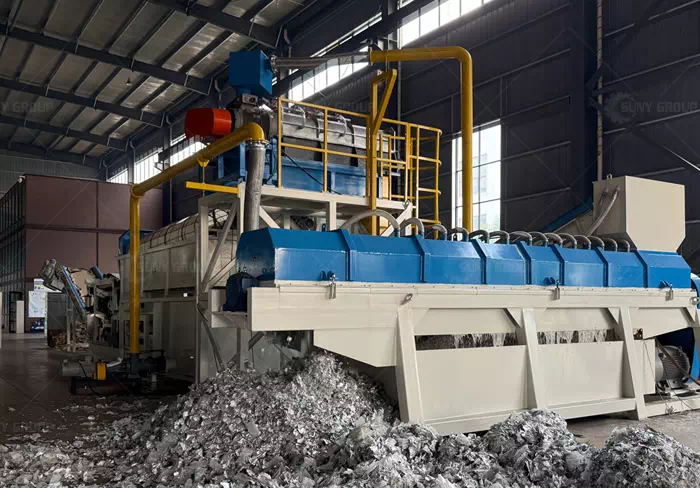
The entire solar panel recycling line primarily comprises processes such as frame removal, crushing, pulverisation, air classification, and material recovery. The equipment first dismantles the frames of the photovoltaic modules to separate the aluminium; the modules then enter the crushing system for preliminary processing of the glass and backsheet; finally, the fine crushing and air classification systems further separate materials such as copper, plastic, and silicon powder.

Due to the complex internal material structure of photovoltaic modules, simple crushing alone rarely achieves high purity; therefore, the production line typically employs a multi-stage sorting process to improve the recovery rates of different materials. In particular, the separation of glass and lightweight plastics places high demands on airflow control and discharge uniformity; this is also the primary reason why the sorting performance of many lower-specification machines becomes unstable over time.

In actual recycling operations, aluminium frames and glass usually account for the majority of the module’s total weight, whilst silicon powder and metallic materials directly impact the recovery value; consequently, a stable sorting system is more important than simply increasing the crushing speed.

Equipment is better suited to continuous recycling projects

In terms of equipment dimensions, large models can reach lengths of over 10 metres, making them typical examples of continuous industrial recycling equipment. Such equipment is better suited to long-term, stable operation rather than short-term, intermittent production.

For the photovoltaic recycling industry, future competition will focus not merely on ‘whether recycling is possible’, but on energy consumption per unit, material purity, and labour cost control. The higher the level of automation, the more pronounced the operational advantages will be in the long term. Particularly against the backdrop of rising labour costs overseas, solar panel recycling equipment equipped with robotic automatic feeding systems has gradually become a key configuration for large-scale recycling projects.

If you require information on equipment specifications, process flows, or different capacity configuration options, please feel free to contact us at any time. We can further tailor a suitable recycling system based on the specific characteristics of your raw materials.

Categories
News

Paper-Plastic/Tetra Pak Separation and Recycling Machine

The core function of the paper-plastic/Tetra Pak separation and recycling machine is to effectively separate paper fibres, plastic, and aluminium layers from waste Tetra Pak cartons, paper-plastic composite packaging, and similar materials, thereby enabling resource reuse. Compared to traditional landfill or incineration methods, this type of equipment is more in line with current environmental recycling trends; it not only reduces the cost of processing waste packaging but also increases the recycling value of pulp and plastic. It is particularly suitable for recycling plants, paper mills, and environmental treatment companies.

Working Principle and Core Structure of Paper-Plastic Separation Equipment

The paper-plastic separation and recycling production line is primarily designed to process multi-layer composite packaging materials such as milk cartons, beverage cartons, and Tetra Pak cartons. These materials are typically composed of paper fibres, PE plastic, and a small amount of aluminium foil; whilst traditional shredding makes direct sorting difficult, the paper-plastic separator achieves separation through a combination of wet pulping and mechanical screening.

Paper-Plastic/Tetra Pak Separation and Recycling Machine

Paper-Plastic/Tetra Pak Separation and Recycling Machine

The complete system generally comprises a hydraulic feeder, a hydraulic pulper, a vibrating screen, a screw conveyor, dewatering equipment, and a plastic collection system. During production, waste packaging first enters the hydraulic pulping system. Under high-speed rotation and the impact of water flow, the paper fibres are rapidly dispersed to form pulp, whilst the plastic and aluminium layers are retained due to their structural differences. They are then subjected to secondary separation via the screening system.

The hydro-pulper is the core component of the entire production line. The rotor speed, pulping concentration, and processing time of the equipment directly affect the pulp recovery rate. In actual production, high-quality equipment typically achieves a paper fibre recovery rate of over 90%, whilst effectively reducing residual plastic fibres.

WOperational Characteristics and Practical Value

Compared to traditional manual disassembly methods, automated paper-plastic separation production lines offer more consistent processing efficiency. Small to medium-sized production lines can process several hundred kilograms to several tonnes of composite packaging waste per hour, making them suitable for continuous operation.

The greatest value of such equipment lies not only in ‘separation’ but also in enhancing the efficiency of resource utilisation downstream. The processed pulp can be reused in the production of recycled paper products, whilst the separated plastic-aluminium mixture can be further processed into plastic pellets or recycled into aluminium-plastic composite panels. For recycling enterprises, the stability of the equipment is often more important than mere output, as excessive impurity levels in the pulp directly affect the quality of the subsequent recycled paper.

Furthermore, the equipment’s water consumption and wastewater recycling capacity are also critical. Most mature paper-plastic separation systems are now equipped with water recycling systems, which not only reduce wastewater discharge during production but also lower long-term operating costs.

As global demands for the recycling of composite packaging increase, low-value waste such as Tetra Pak cartons is gradually being transformed into reusable resources. Particularly in regions such as Southeast Asia, the Middle East, and South America, the recycled paper industry’s demand for waste pulp continues to grow, driving the expansion of the paper-plastic separation equipment market. What truly determines profitability is no longer the volume of waste processed, but rather the consistent recovery of high-quality pulp and reusable plastics.

Categories
Products Scrap Metal Recycling Equipment

Aluminum Conductor Steel Reinforced Cables Recycling Machine

PRODUCT DESCRIPTION

With the rapid upgrading of global power grids, a massive amount of scrap Aluminum Conductor Steel Reinforced cables is generated annually. Due to its tightly stranded structure of high-strength steel cores and outer aluminum layers, traditional recycling methods like manual stripping or burning are highly inefficient, labor-intensive, and environmentally polluting. Moreover, they cannot meet the demands of large-scale, multi-diameter industrial recycling.

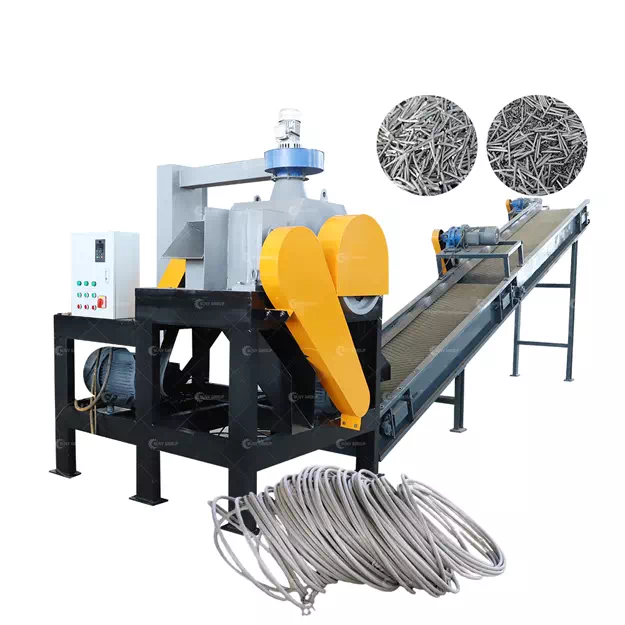
To address these pain points, this mechanized Aluminum Conductor Steel Reinforced recycling machine was developed. Utilizing automated chopping and high-strength magnetic separation, it completely revolutionizes traditional recycling. It can process various single-core and multi-strand Aluminum Conductor Steel Reinforced wires across multiple diameters, achieving fast and precise separation of aluminum and steel without cross-contamination. This system not only maximizes the purity and economic value of recycled metals but also ensures zero-emission, low-energy, eco-friendly operations.

RAW MATERIALS & OUTPUT

Raw Materials

Compatible with various wire diameters of scrap Aluminum Conductor Steel Reinforced cables.

Suitable for aluminum stranded wire with both single steel core and multi-strand steel core.

Output

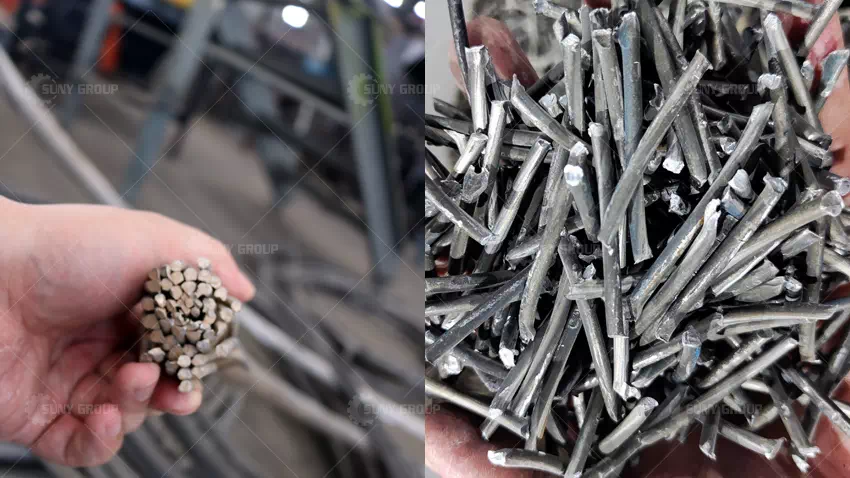
Pure aluminum pieces/segments.

Clean steel wire segments.

Adjustable cut-off lengths: 10mm / 20mm / 50mm.

Steel Cores and Steel Core Granules

STRUCTURAL PRINCIPLE

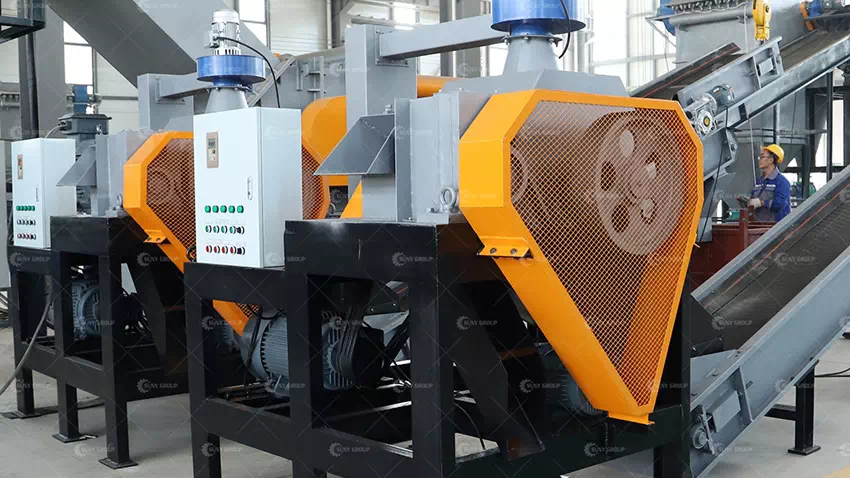
Smart Feeding: Features a φ200mm wide inlet. When feeding, the feeding roller will be lifted automatically according to the size of the material to cooperate with the feeding.

High-efficiency Cutting: Equipped with 1 fixed knife made of high-quality H13 material. Driven by a dedicated 3-speed transmission, it divides and cuts materials into precise lengths.

Strong Magnetic Separating: The chopped materials are conveyed to the Strong Belt Magnetic Separator, which effectively sorts steel cores from aluminum and achieves independent conveying and discharging.

KEY ADVANTAGES

Aluminum Conductor Steel Reinforced Cables Recycling Machine

High Efficiency & Multi-strand Feeding: Supports multiple strands to feed together with a maximum processing speed of up to 50 m/min, enabling quick and efficient separation.

99% High-purity Sorting Rate: The strong magnetic separation system ensures an exceptionally clean separation, maximizing the economic value of recycled metals.

Three-speed Change: The cut-off length can be flexibly adjusted to 10 mm, 20 mm, and 50 mm via the 3-speed transmission to meet various customer requirements.

Premium & Durable Components: The fixed knife is made of heavy-duty H13 material, offering high wear resistance and a prolonged service life.

TECHNICAL PARAMETERS

Item Specification
Name ACSR Recycling Machine
Power 18.5kW + 3kW + 0.75kW
Inlet φ200mm (can feed multiple strands)
Feed diameter φ100mm
Size 2000*1800*2450mm
Weight 2000kg
Maximum processing speed 50 m/min
Sorting rate 99%
Cut off length 10mm, 20mm, 50mm
Fixed knife 1 piece (Material H13)
Reducer Dedicated 3-speed transmission

FAQ

Q1: Can the machine process Aluminum Conductor Steel Reinforced cables with different diameters simultaneously?

A: Yes. The machine features a 200mm wide inlet and an automated feeding roller that lifts according to the material size, allowing multiple strands of various diameters to be fed and processed together efficiently.

Q2: How do I change the cut-off length of the separated aluminum and steel pieces?

A: The machine is equipped with a dedicated 3-speed transmission. Operators can easily adjust the gear to divide materials into 10 mm, 20 mm, or 50 mm lengths based on specific requirements.

Q3: Is the sorting rate of the magnetic separator truly capable of reaching 99%?

A: Yes. The integrated Strong Belt Magnetic Separator applies heavy-duty magnetic force to continuously attract and separate the magnetic steel cores from the aluminum pieces, achieving a highly accurate sorting rate of up to 99%.

Categories
News

Small Production Line for Recycling Electronic Boards

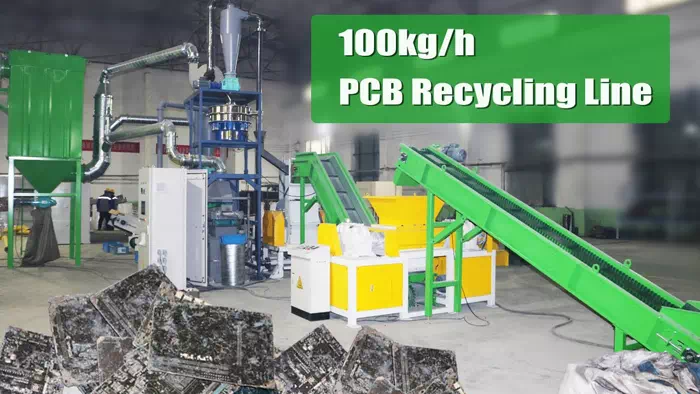
For small and medium-sized electronic waste recycling enterprises, a PCB recycling line with a capacity of 100 kg/h not only lowers the threshold for equipment investment but is also better suited for phased implementation and flexible operation. It can be utilized to process a wide variety of electronic waste, including computer motherboards, communication boards, and appliance control boards.

This 100 kg/h PCB recycling production line primarily consists of two components: a thermal dismantling system and a physical separation system. Of these, the thermal dismantling equipment plays a decisive role in determining the efficiency of the subsequent separation process.

The PCB thermal dismantling machine employs natural gas heating to maintain a stable internal furnace temperature of approximately 400°C. This temperature is not arbitrary; it is determined by a balance between the solder’s melting point on the circuit boards and the substrate material’s heat resistance. Most electronic circuit boards use tin-based solder; once the solder reaches its melting point, the electronic components detach from the PCB substrate. Simultaneously, this process avoids the severe oxidation of copper foil that would otherwise result from high-temperature incineration.

Compared to traditional manual dismantling, the thermal dismantling method offers more consistent processing efficiency, making it particularly well-suited for the batch processing of electronic waste. For small-scale recycling facilities, this method also serves to minimize human exposure to hazardous dust, thereby enhancing operational safety.

Once the thermal dismantling process is complete, the remaining PCB substrates proceed to the crushing and separation stage.

This section typically comprises a coarse crusher, a fine crusher, an airflow separator, an electrostatic separator, and a dust collection system. Through a multi-stage crushing process, the equipment gradually reduces the circuit board materials to a particle size suitable for separation, subsequently utilizing the differences in weight, electrical conductivity, and aerodynamic properties between metallic and non-metallic components to effect separation.

Among these components, the electrostatic separation equipment exerts a significant influence on the purity of the recovered copper powder. A stable electric field intensity, combined with a uniform feed rate, effectively enhances the separation efficiency between the copper and the resin powder. Under normal operating conditions, a small-scale PCB physical separation line can achieve a high level of copper recovery purity, while the non-metallic fraction is transformed into a resin fiber powder that can be utilized as filler material in construction or as a raw material for recycled composite materials.

Compared to large-scale electronic waste processing plants, the compact 100 kg/h PCB recycling production line is better aligned with the current market landscape, which is characterized by a large volume of geographically dispersed electronic waste.

On one hand, this small-to-medium-scale equipment occupies a smaller footprint and imposes less stringent requirements on factory infrastructure; on the other hand, its operating costs and energy consumption are relatively manageable, making it an ideal entry-level project for those looking to venture into the electronic waste recycling industry. Particularly in developing countries and regions with concentrated electronics manufacturing, small-scale PCB recycling equipment is more conducive to establishing stable recycling networks.

Categories
News

Copper Cable Crusher Granulator

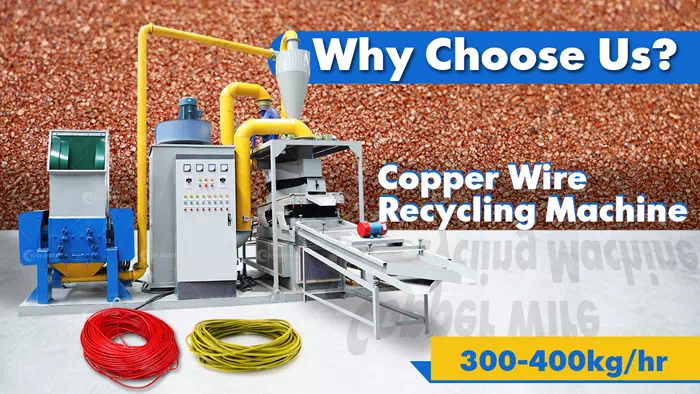
The Copper Cable Crusher Granulator efficiently separates copper from plastic sheathing through processes such as crushing, air classification, and electrostatic separation. When processing mixed waste cables—including household cables, telecommunications cables, automotive wiring harnesses, and data cables—it reduces the cost of manual dismantling whilst improving copper recovery purity and resource utilisation. Some models achieve a copper recovery rate of around 99%, making them particularly suitable for continuous production in small and medium-sized recycling plants.

Core Structure and Working Principle of the Copper Granulator

This type of equipment typically comprises a crushing system, a conveying system, an air classification system, an electrostatic separation system, and a dust collection system. Upon entering the machine, waste cables are first shredded by blades, reducing both copper wires and plastic into granular form. Subsequently, utilising the density difference between copper and plastic, an initial separation is achieved via air classification based on specific gravity.

For some finer or more tightly twisted copper wires, air classification alone cannot achieve complete purification; therefore, the equipment incorporates a high-voltage electrostatic separation system for secondary purification. As copper particles are highly conductive, whilst plastic is non-conductive, the electrostatic system further enhances the precision of copper-plastic separation.

Some models also feature a material recirculation system, whereby materials that have not been fully separated are automatically returned to the crushing and sorting process, thereby reducing copper loss. This is a key reason many copper wire recycling machines achieve recovery rates of up to 99%.

Equipment specifications determine processing capacity and operating costs.

For example, small models have a processing capacity of approximately 100–200 kg per hour and a power consumption of around 28 kW, making them more suitable for small-scale processing facilities new to the scrap wire recycling industry; whereas large models can achieve a processing capacity of 800–1,000 kg/h with a power consumption of approximately 95 kW, making them more suitable for large-scale continuous production.

There is no simple linear relationship between equipment power and production capacity. Many users focus solely on ‘processing capacity’, yet overlook stable operation and long-term maintenance costs. In reality, blade material, screen wear resistance, and dust extraction system design are the key factors that truly influence long-term operating costs.

Copper Cable Crusher Granulator

These copper granulators typically employ high-wear-resistant, high-toughness alloy blades, which offer a longer service life compared to ordinary steel and are particularly suitable for processing industrial scrap wire containing steel wires or with hard outer sheaths. Reduced screen wear results in more consistent particle sizes, which indirectly improves sorting efficiency.

Furthermore, the dust extraction system is not merely an ‘ancillary feature’ for copper granulators. The shredding of waste wire generates significant amounts of dust; if dust control is inadequate, it not only affects the workshop environment but also reduces sorting accuracy. Some machines employ enclosed dust extraction systems, achieving dust separation rates of around 99%, making them better suited to a recycling market where environmental requirements are becoming increasingly stringent.

Currently, copper granulators are best suited for processing three types of material:

Mixed household wires and network cables

Automotive wiring harnesses

Mixed telecommunications cables and fine cables

These waste cables typically present challenges such as mixed specifications, fine diameters, and difficulty in manual disassembly. In particular, automotive wiring harnesses often contain a mixture of rubber, fibres, and fine copper wires; whilst traditional wire stripping machines have limited processing efficiency, copper granulators are better suited to continuous processing.

Therefore, for users wishing to enter the waste cable recycling industry, if you have any requirements or are interested, please feel free to contact us at any time for further information.

Categories
News

Integrated Lithiumion Battery Recycling Line

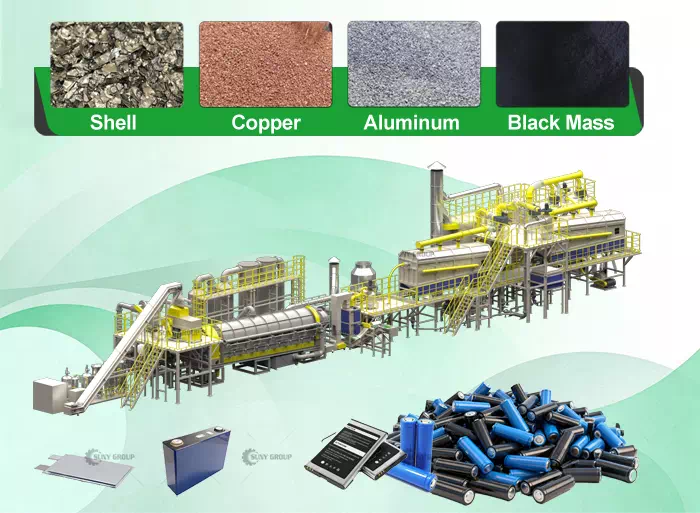
With the rapid development of the new energy sector, the volume of discarded lithium-ion batteries continues to rise. The core function of a lithium battery recycling line is to efficiently separate high-value materials—such as copper, aluminum, and “black mass”—from these waste batteries through processes including crushing, pyrolysis, and sorting. This achieves resource reuse while simultaneously mitigating environmental pollution and the risks associated with manual handling. A robust and stable lithium battery recycling system is critical; it not only dictates recycling efficiency but also directly impacts subsequent operational costs and material recovery rates.

Pyrolysis and Drying Systems Enhance Processing Stability

In the lithium battery recycling process, the pyrolysis and drying system constitutes a pivotal stage that significantly influences the effectiveness of subsequent sorting operations. The new generation of lithium battery recycling lines features optimizations specifically targeting this section. Utilizing a continuous-flow pyrolysis structure, the system processes substances found in waste lithium batteries—such as electrolytes and organic binders—while simultaneously minimizing the impact of dust and noxious fumes on the equipment’s operating environment.

Integrated Lithiumion Battery Recycling Line

Integrated Lithiumion Battery Recycling Line

Compared to traditional single-mode heating methods, this upgraded system demonstrates superior stability in both temperature control and material conveyance. It is capable of accommodating the processing requirements of various lithium battery types, including power batteries (for electric vehicles), energy storage batteries, and select consumer-grade lithium batteries. Materials that have undergone pyrolysis and drying are more readily prepared for the subsequent crushing and sorting stages, a factor that also contributes to enhancing the purity of the recovered “black mass.”

Ultra-fine Crushing Systems Boost Black Mass Recovery Efficiency

The effectiveness of the crushing process directly determines the quality of the subsequent metal separation. This lithium battery recycling equipment employs an upgraded ultra-fine crushing system that combines multi-stage coarse crushing with precision grinding to ensure the thorough dissociation of cathode and anode materials from the copper and aluminum components.

During operation, the equipment can automatically adjust crushing intensity based on the specific material being processed, thereby preventing “over-crushing” issues while simultaneously reducing mechanical wear and tear on the machinery. For the lithium battery recycling industry, the purity and recovery rate of “black mass” often dictate the ultimate profit margins; consequently, a stable ultra-fine crushing system serves to effectively enhance the overall economic value of the recycling operation.

Copper and Aluminum Sorting Systems Optimize Resource Recovery Outcomes

Copper and aluminum represent key recoverable materials found within discarded lithium batteries; the efficacy of the sorting process directly determines the purity of these materials and their subsequent market value. The new generation of copper and aluminum sorting systems achieves the highly efficient separation of mixed metals through a combined process involving airflow classification, vibratory screening, and specific gravity separation.

Compared to traditional equipment, this new system demonstrates superior stability and performance in separating fine-grained copper and aluminum particles. This capability minimizes material cross-contamination and significantly enhances the purity of the final recovered products. At the same time, the equipment features a more compact structure, facilitating subsequent maintenance and continuous production.

Categories
News

Rubber Conveyor Belt Shredder Machine

The core of waste rubber conveyor belt recycling lies in ‘shredding and separation’. The rubber conveyor belt shredder cuts large pieces of waste belts into smaller pieces to reduce their volume, after which they proceed to subsequent stages such as magnetic separation and screening to recover rubber and steel wire resources. This type of equipment not only reduces waste accumulation and transport costs but also enhances the reuse value of waste rubber.

Workflow of the Rubber Conveyor Belt Shredder

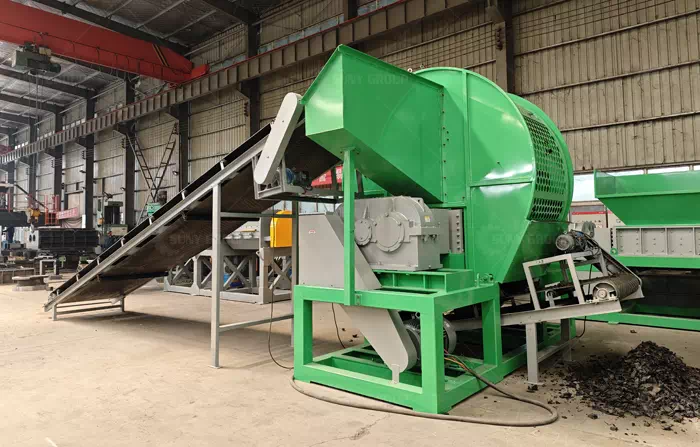
The rubber conveyor belt shredder is primarily used for the coarse shredding of large-sized waste belts. The equipment typically employs a dual-shaft, low-speed, high-torque design, wherein the intermeshing cutting shafts gradually tear thick rubber belts into smaller pieces.

Rubber Conveyor Belt Shredder Machine

The complete production process generally includes:

Conveyor Feeding

Waste rubber belts are fed into the shredder via a conveyor, reducing the need for manual handling.

Dual-Shaft Shredding

High-strength alloy blades shear and tear the rubber belts, capable of processing industrial conveyor belts containing steel cord.

Magnetic Separation

Steel cord is separated using magnetic separation equipment to improve the purity of the rubber.

Secondary Processing

Depending on requirements, the material is further processed into rubber blocks, rubber pellets, or rubber powder.

The equipment allows for adjustment of blade specifications and motor power according to material thickness and throughput, making it suitable for various types of waste rubber recycling projects.

Application Features of Industrial Shredders

In addition to rubber conveyor belts, industrial shredders can be used for the recycling of various materials such as waste tyres, plastics, metals, and electronic waste, making them widely used in the solid waste treatment industry.

Compared to traditional cutting equipment, these shredders offer several practical advantages:

Low-speed operation reduces dust and noise.

High torque enables the processing of thick rubber and coiled materials.

Wear-resistant blades are suitable for long-term continuous production.

Compatibility with automated conveying and sorting

Relatively straightforward maintenance

For waste rubber recycling enterprises, the appropriate configuration of shredding, conveying, magnetic separation, and screening equipment can enhance the operational efficiency of the entire production line and facilitate subsequent resource recovery.

Categories
News

Safe Li Ion Battery Recycling Line Pyrolysis Secondary Combustion Separation

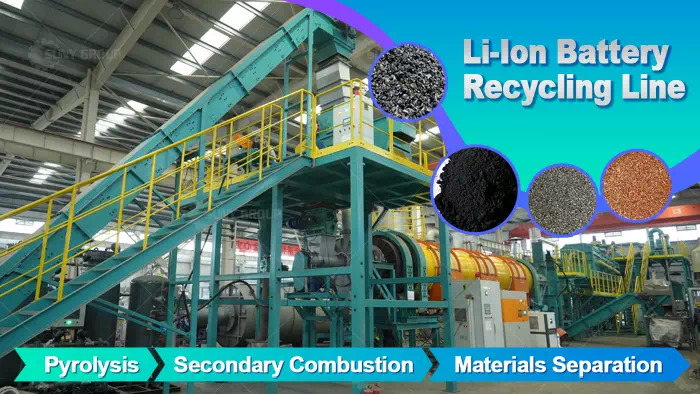
The core of lithium-ion battery recycling lies in the combination of thermal treatment and physical sorting equipment to ensure the safe processing of undischarged batteries and the efficient recovery of metal resources. Such recycling lines can enhance material reuse rates whilst mitigating safety risks, and are suitable for the large-scale processing of power batteries and various types of waste lithium-ion batteries.

Pyrolysis and Secondary Combustion System: Addressing Safety and Environmental Concerns

The entire recycling line relies first on a pyrolysis furnace to carry out the critical ‘pre-treatment’ stage. Undischarged lithium-ion batteries are fed directly into a sealed pyrolysis unit, where they are decomposed in an oxygen-free or low-oxygen environment, effectively eliminating the risk of combustion or explosion caused by residual charge. Through this process, volatile components such as electrolyte and organic solvents are separated.

Safe Li Ion Battery Recycling Line Pyrolysis Secondary Combustion Separation

Safe Li Ion Battery Recycling Line Pyrolysis Secondary Combustion Separation

Subsequently, the system’s secondary combustion unit subjects the combustible gases generated during pyrolysis to high-temperature treatment, further decomposing harmful substances and reducing organic pollutants in the exhaust gases. This combination not only enhances the safety of the entire line but also ensures emissions comply with environmental regulations, forming a fundamental component for the stable operation of the entire system.

Crushing and Sorting System: Achieving Efficient Material Recovery

After thermal treatment, the batteries enter the mechanical processing stage. First, multi-stage crushing is carried out by crushing equipment to thoroughly disassemble the battery structure, creating conditions for subsequent sorting. At this stage, metals and non-metals have been largely separated.

Next, different materials are sorted using air classification, magnetic separation, and screening equipment. For example, metals such as copper and aluminium are separated by physical means, whilst black powder (containing valuable metals such as lithium, cobalt, and nickel) is collected centrally to serve as a key raw material for subsequent smelting or further processing. This stage determines the resource recovery efficiency of the entire production line.

Integrated Line Design: Enhancing Stability and Adaptability

The key to this lithium-ion battery recycling production line lies not in individual equipment, but in its systematic design. The various modules are interconnected via conveying and sealing systems, enabling continuous operation and minimising manual intervention. Furthermore, the equipment parameters can be adjusted to accommodate batteries of different specifications (such as cylindrical, prismatic, and pouch types), demonstrating a degree of adaptability.

In addition, the entire line is typically equipped with dust extraction and exhaust gas treatment systems to ensure a safe and clean production environment, preventing dust and harmful gases from affecting operators.

Against the backdrop of the ever-increasing volume of end-of-life lithium-ion batteries, integrated equipment solutions combining pyrolysis, safe disposal, and efficient sorting are gradually becoming the industry standard. For enterprises, selecting a recycling production line with a rational structure and stable operation is not only crucial for safe production but also directly impacts the economic value of resource recovery.

Categories
Case

Laminated Glass Recycling Equipment — Customer Site

Laminated Glass Recycling Equipment — Customer Site

Laminated Glass Recycling Equipment — Customer Site