• SUNY Fackbook
  • SUNY Linkedin
  • SUNY Youtube
Categories
News

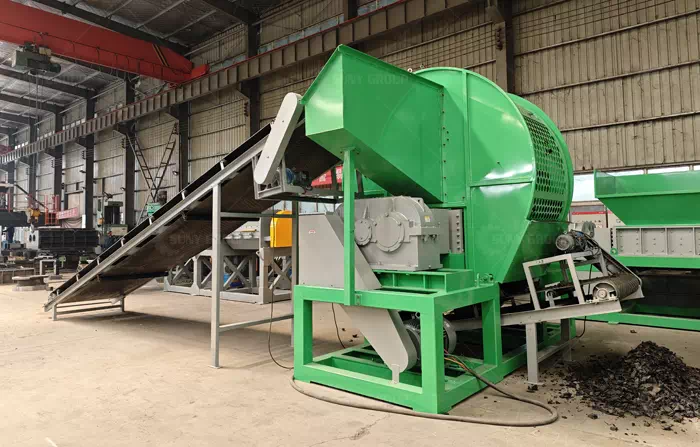
Copper Cable Crusher Granulator

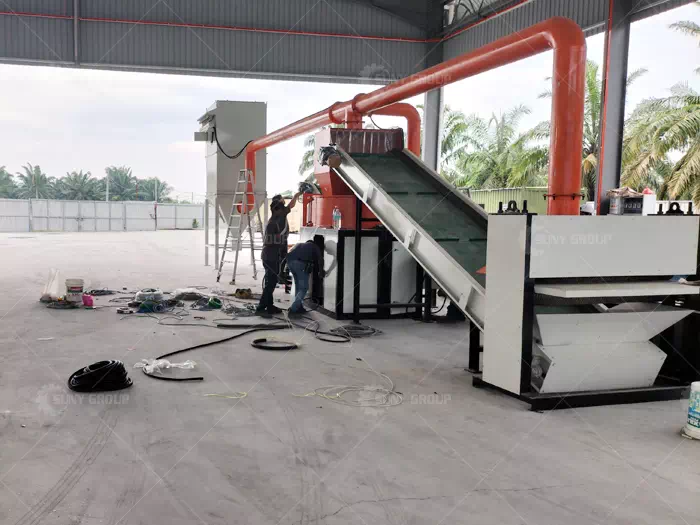
The Copper Cable Crusher Granulator efficiently separates copper from plastic sheathing through processes such as crushing, air classification, and electrostatic separation. When processing mixed waste cables—including household cables, telecommunications cables, automotive wiring harnesses, and data cables—it reduces the cost of manual dismantling whilst improving copper recovery purity and resource utilisation. Some models achieve a copper recovery rate of around 99%, making them particularly suitable for continuous production in small and medium-sized recycling plants.

Core Structure and Working Principle of the Copper Granulator

This type of equipment typically comprises a crushing system, a conveying system, an air classification system, an electrostatic separation system, and a dust collection system. Upon entering the machine, waste cables are first shredded by blades, reducing both copper wires and plastic into granular form. Subsequently, utilising the density difference between copper and plastic, an initial separation is achieved via air classification based on specific gravity.

For some finer or more tightly twisted copper wires, air classification alone cannot achieve complete purification; therefore, the equipment incorporates a high-voltage electrostatic separation system for secondary purification. As copper particles are highly conductive, whilst plastic is non-conductive, the electrostatic system further enhances the precision of copper-plastic separation.

Some models also feature a material recirculation system, whereby materials that have not been fully separated are automatically returned to the crushing and sorting process, thereby reducing copper loss. This is a key reason many copper wire recycling machines achieve recovery rates of up to 99%.

Equipment specifications determine processing capacity and operating costs.

For example, small models have a processing capacity of approximately 100–200 kg per hour and a power consumption of around 28 kW, making them more suitable for small-scale processing facilities new to the scrap wire recycling industry; whereas large models can achieve a processing capacity of 800–1,000 kg/h with a power consumption of approximately 95 kW, making them more suitable for large-scale continuous production.

There is no simple linear relationship between equipment power and production capacity. Many users focus solely on ‘processing capacity’, yet overlook stable operation and long-term maintenance costs. In reality, blade material, screen wear resistance, and dust extraction system design are the key factors that truly influence long-term operating costs.
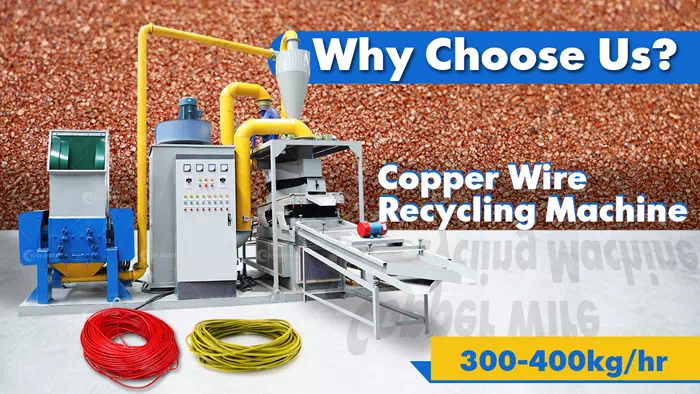
Copper Cable Crusher Granulator

These copper granulators typically employ high-wear-resistant, high-toughness alloy blades, which offer a longer service life compared to ordinary steel and are particularly suitable for processing industrial scrap wire containing steel wires or with hard outer sheaths. Reduced screen wear results in more consistent particle sizes, which indirectly improves sorting efficiency.

Furthermore, the dust extraction system is not merely an ‘ancillary feature’ for copper granulators. The shredding of waste wire generates significant amounts of dust; if dust control is inadequate, it not only affects the workshop environment but also reduces sorting accuracy. Some machines employ enclosed dust extraction systems, achieving dust separation rates of around 99%, making them better suited to a recycling market where environmental requirements are becoming increasingly stringent.

Currently, copper granulators are best suited for processing three types of material:

Mixed household wires and network cables

Automotive wiring harnesses

Mixed telecommunications cables and fine cables

These waste cables typically present challenges such as mixed specifications, fine diameters, and difficulty in manual disassembly. In particular, automotive wiring harnesses often contain a mixture of rubber, fibres, and fine copper wires; whilst traditional wire stripping machines have limited processing efficiency, copper granulators are better suited to continuous processing.

Therefore, for users wishing to enter the waste cable recycling industry, if you have any requirements or are interested, please feel free to contact us at any time for further information.
Categories
News

Integrated Lithiumion Battery Recycling Line

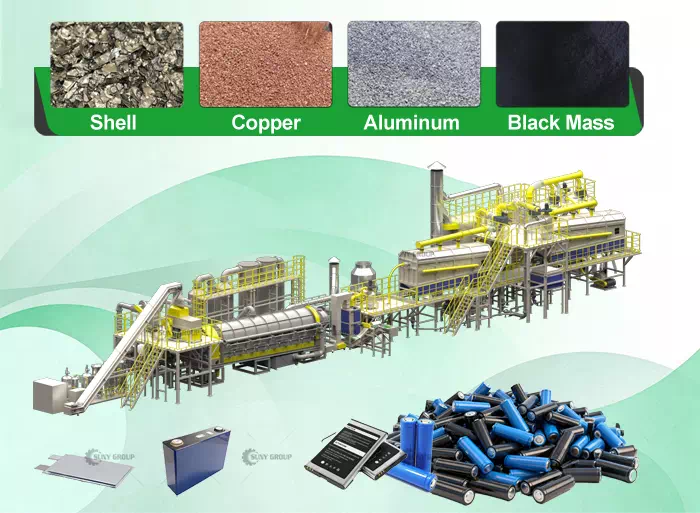
With the rapid development of the new energy sector, the volume of discarded lithium-ion batteries continues to rise. The core function of a lithium battery recycling line is to efficiently separate high-value materials—such as copper, aluminum, and “black mass”—from these waste batteries through processes including crushing, pyrolysis, and sorting. This achieves resource reuse while simultaneously mitigating environmental pollution and the risks associated with manual handling. A robust and stable lithium battery recycling system is critical; it not only dictates recycling efficiency but also directly impacts subsequent operational costs and material recovery rates.

Pyrolysis and Drying Systems Enhance Processing Stability

In the lithium battery recycling process, the pyrolysis and drying system constitutes a pivotal stage that significantly influences the effectiveness of subsequent sorting operations. The new generation of lithium battery recycling lines features optimizations specifically targeting this section. Utilizing a continuous-flow pyrolysis structure, the system processes substances found in waste lithium batteries—such as electrolytes and organic binders—while simultaneously minimizing the impact of dust and noxious fumes on the equipment’s operating environment.

Integrated Lithiumion Battery Recycling Line

Integrated Lithiumion Battery Recycling Line

Compared to traditional single-mode heating methods, this upgraded system demonstrates superior stability in both temperature control and material conveyance. It is capable of accommodating the processing requirements of various lithium battery types, including power batteries (for electric vehicles), energy storage batteries, and select consumer-grade lithium batteries. Materials that have undergone pyrolysis and drying are more readily prepared for the subsequent crushing and sorting stages, a factor that also contributes to enhancing the purity of the recovered “black mass.”

Ultra-fine Crushing Systems Boost Black Mass Recovery Efficiency

The effectiveness of the crushing process directly determines the quality of the subsequent metal separation. This lithium battery recycling equipment employs an upgraded ultra-fine crushing system that combines multi-stage coarse crushing with precision grinding to ensure the thorough dissociation of cathode and anode materials from the copper and aluminum components.

During operation, the equipment can automatically adjust crushing intensity based on the specific material being processed, thereby preventing “over-crushing” issues while simultaneously reducing mechanical wear and tear on the machinery. For the lithium battery recycling industry, the purity and recovery rate of “black mass” often dictate the ultimate profit margins; consequently, a stable ultra-fine crushing system serves to effectively enhance the overall economic value of the recycling operation.

Copper and Aluminum Sorting Systems Optimize Resource Recovery Outcomes

Copper and aluminum represent key recoverable materials found within discarded lithium batteries; the efficacy of the sorting process directly determines the purity of these materials and their subsequent market value. The new generation of copper and aluminum sorting systems achieves the highly efficient separation of mixed metals through a combined process involving airflow classification, vibratory screening, and specific gravity separation.

Compared to traditional equipment, this new system demonstrates superior stability and performance in separating fine-grained copper and aluminum particles. This capability minimizes material cross-contamination and significantly enhances the purity of the final recovered products. At the same time, the equipment features a more compact structure, facilitating subsequent maintenance and continuous production.

Categories
News

Rubber Conveyor Belt Shredder Machine

The core of waste rubber conveyor belt recycling lies in ‘shredding and separation’. The rubber conveyor belt shredder cuts large pieces of waste belts into smaller pieces to reduce their volume, after which they proceed to subsequent stages such as magnetic separation and screening to recover rubber and steel wire resources. This type of equipment not only reduces waste accumulation and transport costs but also enhances the reuse value of waste rubber.

Workflow of the Rubber Conveyor Belt Shredder

The rubber conveyor belt shredder is primarily used for the coarse shredding of large-sized waste belts. The equipment typically employs a dual-shaft, low-speed, high-torque design, wherein the intermeshing cutting shafts gradually tear thick rubber belts into smaller pieces.

Rubber Conveyor Belt Shredder Machine

The complete production process generally includes:

Conveyor Feeding

Waste rubber belts are fed into the shredder via a conveyor, reducing the need for manual handling.

Dual-Shaft Shredding

High-strength alloy blades shear and tear the rubber belts, capable of processing industrial conveyor belts containing steel cord.

Magnetic Separation

Steel cord is separated using magnetic separation equipment to improve the purity of the rubber.

Secondary Processing

Depending on requirements, the material is further processed into rubber blocks, rubber pellets, or rubber powder.

The equipment allows for adjustment of blade specifications and motor power according to material thickness and throughput, making it suitable for various types of waste rubber recycling projects.

Application Features of Industrial Shredders

In addition to rubber conveyor belts, industrial shredders can be used for the recycling of various materials such as waste tyres, plastics, metals, and electronic waste, making them widely used in the solid waste treatment industry.

Compared to traditional cutting equipment, these shredders offer several practical advantages:

Low-speed operation reduces dust and noise.

High torque enables the processing of thick rubber and coiled materials.

Wear-resistant blades are suitable for long-term continuous production.

Compatibility with automated conveying and sorting

Relatively straightforward maintenance

For waste rubber recycling enterprises, the appropriate configuration of shredding, conveying, magnetic separation, and screening equipment can enhance the operational efficiency of the entire production line and facilitate subsequent resource recovery.

Categories
News

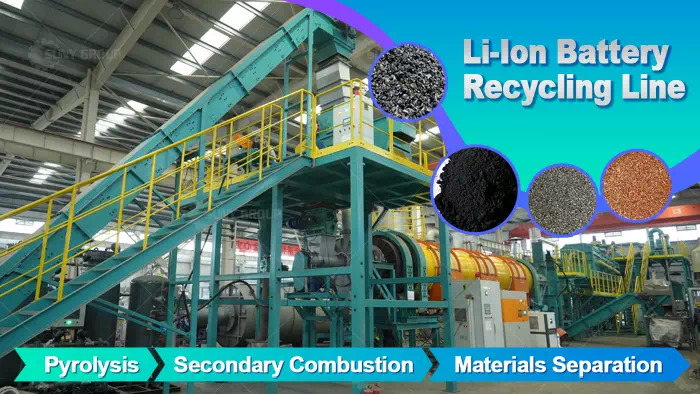
Safe Li Ion Battery Recycling Line Pyrolysis Secondary Combustion Separation

The core of lithium-ion battery recycling lies in the combination of thermal treatment and physical sorting equipment to ensure the safe processing of undischarged batteries and the efficient recovery of metal resources. Such recycling lines can enhance material reuse rates whilst mitigating safety risks, and are suitable for the large-scale processing of power batteries and various types of waste lithium-ion batteries.

Pyrolysis and Secondary Combustion System: Addressing Safety and Environmental Concerns

The entire recycling line relies first on a pyrolysis furnace to carry out the critical ‘pre-treatment’ stage. Undischarged lithium-ion batteries are fed directly into a sealed pyrolysis unit, where they are decomposed in an oxygen-free or low-oxygen environment, effectively eliminating the risk of combustion or explosion caused by residual charge. Through this process, volatile components such as electrolyte and organic solvents are separated.

Safe Li Ion Battery Recycling Line Pyrolysis Secondary Combustion Separation

Safe Li Ion Battery Recycling Line Pyrolysis Secondary Combustion Separation

Subsequently, the system’s secondary combustion unit subjects the combustible gases generated during pyrolysis to high-temperature treatment, further decomposing harmful substances and reducing organic pollutants in the exhaust gases. This combination not only enhances the safety of the entire line but also ensures emissions comply with environmental regulations, forming a fundamental component for the stable operation of the entire system.

Crushing and Sorting System: Achieving Efficient Material Recovery

After thermal treatment, the batteries enter the mechanical processing stage. First, multi-stage crushing is carried out by crushing equipment to thoroughly disassemble the battery structure, creating conditions for subsequent sorting. At this stage, metals and non-metals have been largely separated.

Next, different materials are sorted using air classification, magnetic separation, and screening equipment. For example, metals such as copper and aluminium are separated by physical means, whilst black powder (containing valuable metals such as lithium, cobalt, and nickel) is collected centrally to serve as a key raw material for subsequent smelting or further processing. This stage determines the resource recovery efficiency of the entire production line.

Integrated Line Design: Enhancing Stability and Adaptability

The key to this lithium-ion battery recycling production line lies not in individual equipment, but in its systematic design. The various modules are interconnected via conveying and sealing systems, enabling continuous operation and minimising manual intervention. Furthermore, the equipment parameters can be adjusted to accommodate batteries of different specifications (such as cylindrical, prismatic, and pouch types), demonstrating a degree of adaptability.

In addition, the entire line is typically equipped with dust extraction and exhaust gas treatment systems to ensure a safe and clean production environment, preventing dust and harmful gases from affecting operators.

Against the backdrop of the ever-increasing volume of end-of-life lithium-ion batteries, integrated equipment solutions combining pyrolysis, safe disposal, and efficient sorting are gradually becoming the industry standard. For enterprises, selecting a recycling production line with a rational structure and stable operation is not only crucial for safe production but also directly impacts the economic value of resource recovery.

Categories
Case

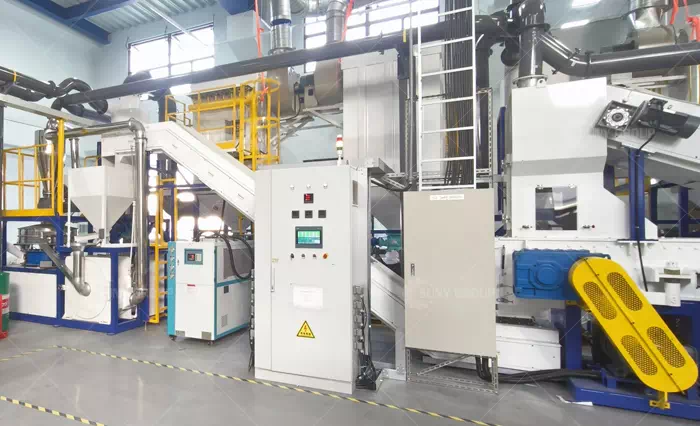
Laminated Glass Recycling Equipment — Customer Site

Laminated Glass Recycling Equipment — Customer Site

Laminated Glass Recycling Equipment — Customer Site

Categories
Electronic Waste Recycling Plant Products

Ink Cartridge Recycling Machine

PRODUCT DESCRIPTION

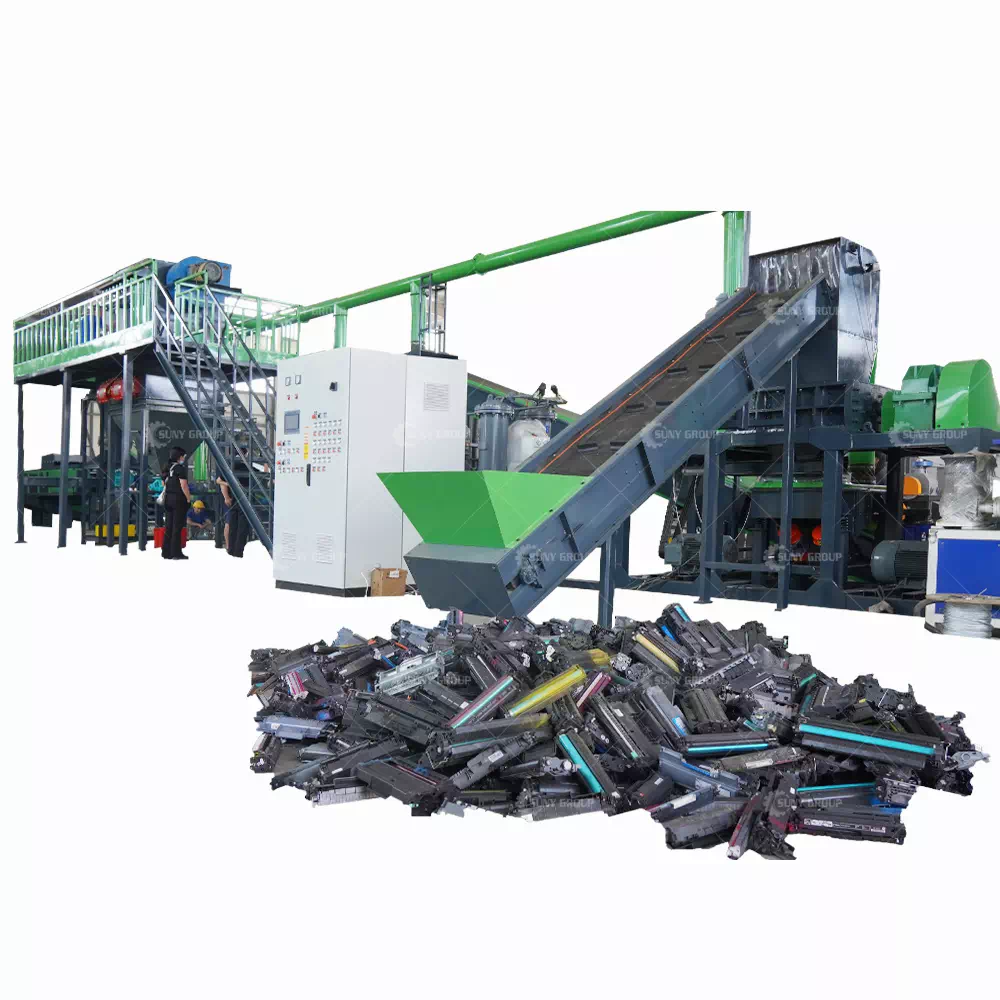
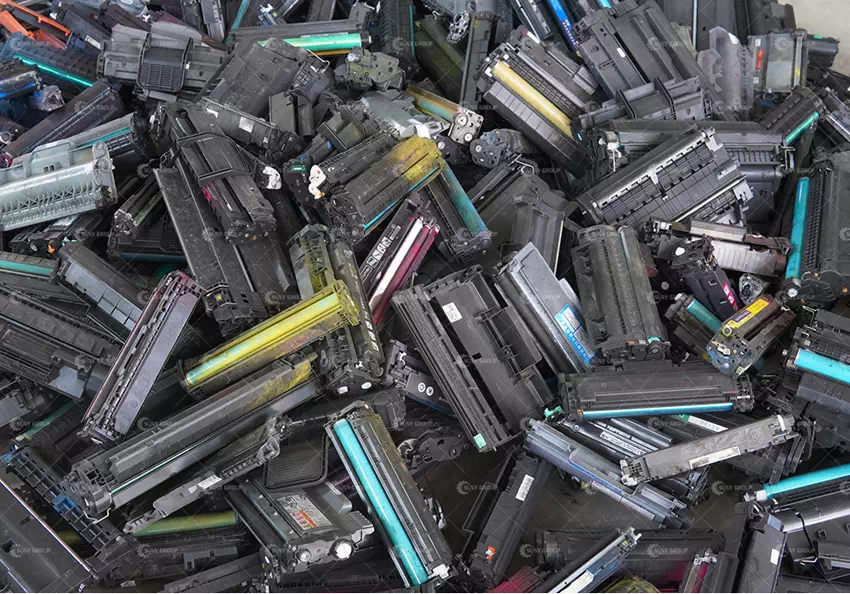
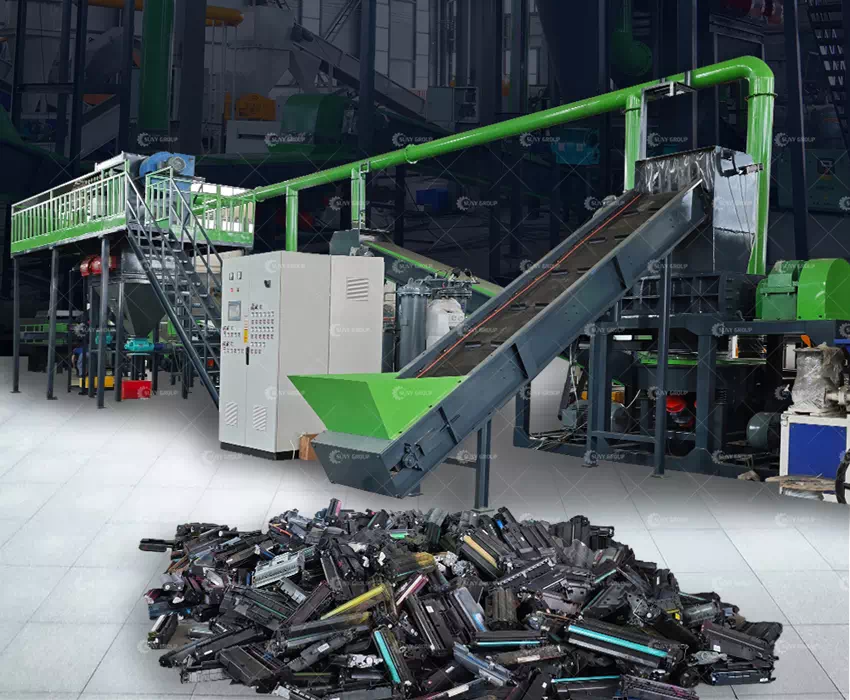
As electronic waste increases, ink cartridges pose a unique recycling challenge due to their complex mix of plastics, metals, and hazardous toner powder. Our recycling line provides a closed-loop solution to prevent environmental contamination. The system integrates intelligent crushing with a negative-pressure dust collection system to ensure a clean, explosion-proof working environment while transforming hazardous waste into reusable industrial raw materials.

RAW MATERIALS & OUTPUT

Wste Ink Cartridges

Input:Waste printer cartridges, toner cartridges, ink tanks.

Materials from Recycled Ink Cartridges

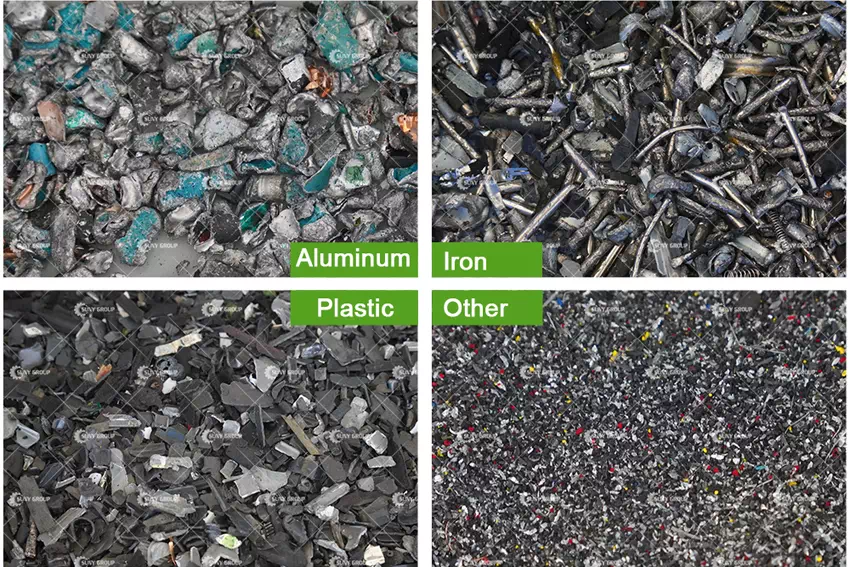
Output:Aluminum,Plastic,Iron,Other.

STRUCTURAL PRINCIPLE

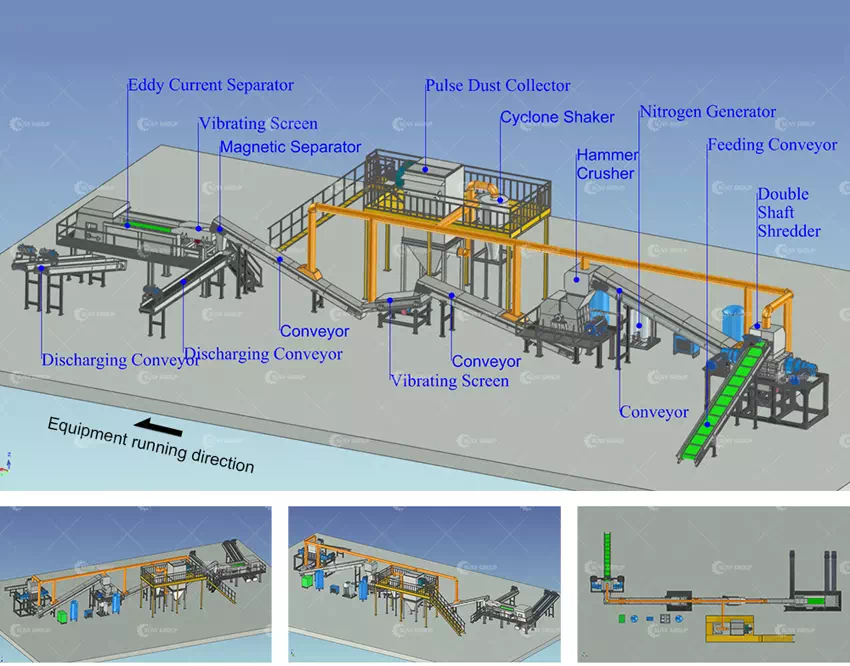
Ink Cartridge Recycling Machine Structural Diagram

The system follows a systematic flow controlled by a central PLC:

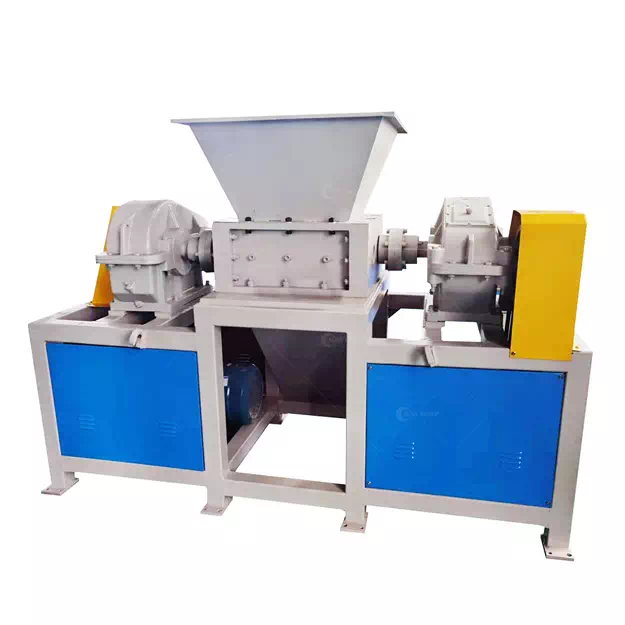
1. Feeding & Shredding: Materials enter via a Feeding Conveyor into a Double Shaft Shredder for primary size reduction.

2. Safety & Crushing: A Nitrogen Generator maintains an inert atmosphere to prevent toner combustion during the Hammer Crusher phase.

3. Dust & Toner Recovery: A Pulse Dust Collector and Cyclone Shaker capture fine toner particles safely.

4. Multi-Stage Separation:

Magnetic Separator removes iron.

Eddy Current Separator splits non-ferrous metals from plastics.

Vibrating Screens ensure precise material grading.

KEY ADVANTAGES

Ink Cartridge Recycling Machine

Safety First: Integrated nitrogen protection and explosion-proof design for toner handling.

High Purity: Advanced eddy current technology achieves up to 99% separation purity.

Eco-Friendly: Fully enclosed negative-pressure system prevents dust leakage.

Labor Efficient: Fully automated line reduces manual intervention and operational costs.

FAQ

Q: How does the machine prevent toner explosions?

A: We use a Nitrogen Generator to create an inert environment, significantly reducing the oxygen concentration during crushing to eliminate combustion risks.

Q: What is the purity of the recovered plastic and metal?

A: Thanks to the multi-stage magnetic and eddy current separation, the purity of recovered metals and plastics typically reaches 98%-99%.

Q: Can it handle different sizes of cartridges?

A: Yes, the heavy-duty Double Shaft Shredder is designed to process various specifications of printer cartridges and toner units

Categories
News

Mini Double Shaft Shredder for Waste Recycling

A mini twin-shaft shredder is a piece of equipment that breaks down materials through the opposing shearing action of two shafts. It is suitable for the pre-treatment of various solid waste materials, such as plastics, rubber, and electronic waste. Its primary function is to reduce large chunks of material into uniform sizes, facilitating subsequent sorting, cleaning, or reuse, whilst significantly improving overall recycling efficiency and reducing labour costs.

I. Equipment Structure and Working Principle

The core of the mini twin-shaft shredder lies in its ‘twin-shaft + blade’ shearing structure. The equipment is fitted with two low-speed, high-torque shafts internally, with blades manufactured from high-strength alloy steel, driven by motors to rotate in opposite directions. When material enters the shredding chamber, it is subjected to multiple forces of tearing, shearing, and compression, gradually breaking it down into smaller pieces.

Compared to high-speed shredding equipment, the advantage of this type of machine lies in its low-speed operation, which minimises dust generation and excessive heat build-up, whilst offering superior adaptability to tough materials (such as plastic film and cables). Furthermore, the equipment is typically fitted with a gearbox and an overload protection system, effectively preventing material jams or damage to the blades caused by hard objects.

II. Processing Capacity and Scope of Application

The processing capacity of this equipment ranges from 50 to 200 kg per hour. It can be configured and adjusted to suit the cutter shaft size, motor power, and material type, making it particularly suitable for small- to medium-scale recycling operations or front-end pre-treatment stages.

It has a wide range of applicable materials, including but not limited to:

Plastic products (bottles, shells, offcuts)

Waste electrical wires and cables

Rubber and tyre shreds

Light metals and electronic waste

In practical applications, it typically serves as the first stage in a production line, supplying uniformly sized feedstock to subsequent sorting equipment (such as air classification, magnetic separation, or density sorting), thereby directly influencing the overall separation efficiency and purity of the final product.

III. Key Factors in Equipment Selection and Pricing

Many users focus solely on price, which is a common misconception. Cost variations in shredders primarily stem from the following key factors: the material of the cutting blades and the heat treatment process determine service life; the brand of the gearbox and motor affects stability; and the overall structural design of the machine influences the failure rate during long-term operation.

If the material to be processed is complex (for example, containing metallic impurities), it is advisable to prioritise the wear resistance of the cutting blades and the torque of the equipment, rather than simply pursuing the lowest price; otherwise, maintenance costs will escalate rapidly in the long run. For initial projects, modularly designed equipment can be selected to facilitate future capacity expansion.

Categories
Case

On-site View of the PV Panel Recycling Equipment for a Taiwanese Client

On-site View of the PV Panel Recycling Equipment for a Taiwanese Client

On-site View of the PV Panel Recycling Equipment for a Taiwanese Client

Categories
Products Shredder Equipment

Windshield Glass PVB Separating Machine

PRODUCT DESCRIPTION

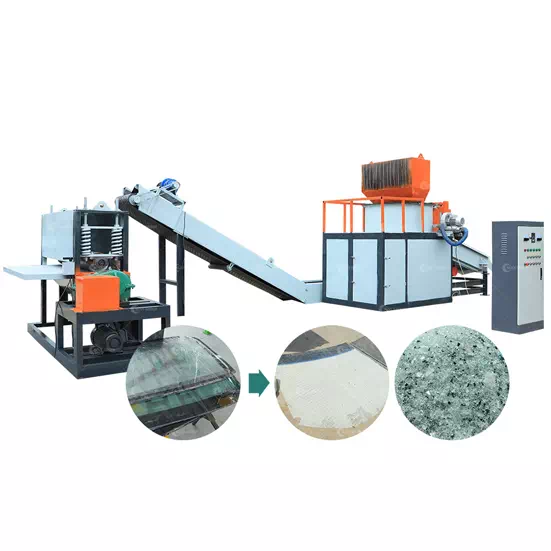
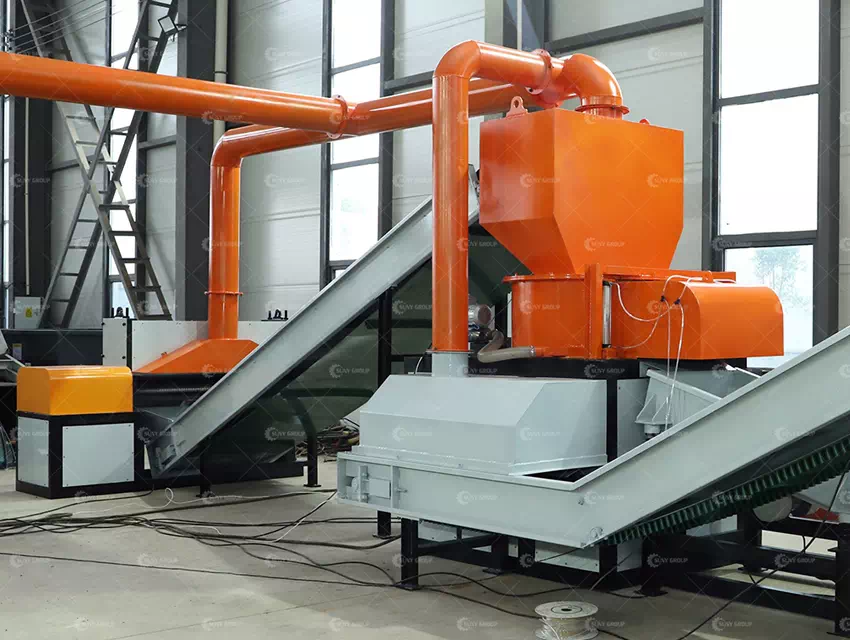
The Windshield Glass PVB Separating Machine consists of a double-roller compactor, a glass separator, and a pulse dust collection system. With a maximum feeding width of 1,500mm, it handles various windshield sizes. Controlled by an automated PLC with multi-language support, the operation is intuitive. The fully enclosed conveying design prevents dust leakage. Additionally, electrical components can be customized to meet standards (e.g., Schneider standards), ensuring high stability, production efficiency, and long-term operational safety.

TECHNICAL PARAMETERS

Model Overall Dimension (M) Power (KW) Capacity (KG/H)
PVB-2000 15.7*2.4*4.5 32 1000-2000
PVB-5000 18.0*9.0*4.5 104 4000-5000

APPLICATION SCENARIOS

Used for automotive windshields and architectural glass in Europe and America.

Mainly applied in glass lighting roofs, exterior windows, and curtain walls.

Commonly used for interior partitions and decorative glass.

OPERATION STEPS

Pre-pressing: The glass is fed into the double-roller compactor, which crushes the whole piece into small particles to physically break the adhesion between the glass and the interlayer.

Physical Separation: The crushed glass enters the separator, where mechanical force strips the glass particles from the interlayer surface without damaging the film.

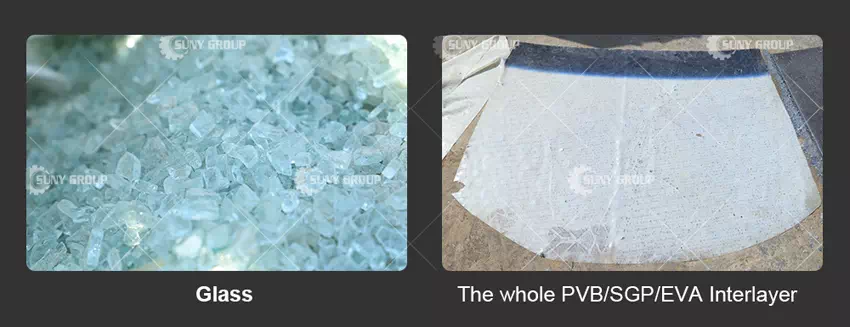
Collection: The system features dual outputs: pure glass particles and intact interlayers are collected separately, while the dust collector captures fine particles.

Pure Glass and Lamination

MACHINE ADVANTAGES

High Separation Rate: The glass removal rate reaches 99%, ensuring extremely clean interlayers and high-purity glass particles.

Interlayer Integrity: Unlike conventional shredders, this machine maintains the original shape and size of the interlayer, significantly increasing its recycling value.

Eco-friendly Operation: The fully enclosed conveying system effectively prevents dust leakage, meeting modern environmental and industrial standards.

High Customization: Core components like the PLC system and electrical parts can be customized (e.g., Schneider) to suit different international standards and languages.

Windshields Glass PVB Separating Machine

FAQ

Q: Will the separated interlayer be shredded?

A: No. This is our core advantage. The machine strips the glass while keeping the interlayer in its original shape and integrity.

Q: Does the equipment require highly skilled operators?

A: No. It uses automated PLC control with a multi-language interface. General workers can operate it after simple training.

Q: Will there still be residue on the glass particles?

A: After processing, 99% of the glass is removed. The output glass particles are highly pure and ready for remelting or other industrial uses.

Categories
News

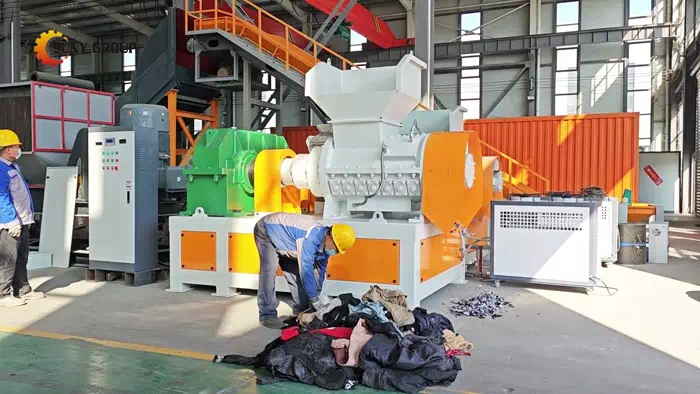
Spiral Shredder for Textile Recycling

The textile spiral shredder is a piece of equipment specifically designed to reduce the volume of flexible materials, such as old clothing and fabric scraps. Utilising a low-speed, high-torque shearing mechanism, it reliably cuts bulky textile waste into manageable sizes, facilitating subsequent baling, reprocessing, or recycling. It represents a crucial pre-treatment stage for enhancing the efficiency of textile recycling.

Equipment Structure and Operating Principle

The core of the spiral shredder lies in its helical blade shaft design. Compared to traditional high-speed shredding equipment, it places greater emphasis on a combined ‘tearing and shearing’ action. Upon entering the feed inlet, the material is gradually drawn in by the helical cutter shaft. Continuous shearing force is generated through the gap between the rotating blades and the stationary blades, achieving uniform shredding. The machine is typically driven by a gear motor, operating at low speed but with high torque, enabling effective processing of highly entangled and tough textile materials whilst preventing blockages or shaft entanglement.

In terms of structural configuration, different models correspond to different processing capacities. For example, the SMC-800F model has a power rating of 7.5+1.5 kW and a processing capacity of approximately 100 kg/h, making it suitable for small-scale recycling operations; whereas the SMC-3200F utilises a 45+45+5.5 kW combined power system, with a capacity of up to 1,500 kg/h, making it suitable for centralised, large-scale processing requirements. Equipment dimensions range from 3.2 × 1.0 × 1.2 metres to 13.0 × 3.3 × 3.0 metres, allowing for flexible layout according to factory conditions.

Performance Features and Scope of Application

The advantage of this type of equipment lies not in ‘finely shredding’ but in ‘stable processing’. Firstly, the output particle size is adjustable, typically controlled between 5–150 mm or 10–300 mm, to meet the requirements of various downstream processes; secondly, low-speed operation results in lower energy consumption and reduced dust generation, better aligning with environmental production requirements.

In terms of applications, spiral shredders are not only suitable for pure cotton fabrics but can also process a wide range of materials, including blended fabrics, workwear, old bed sheets, and non-woven fabrics. They also demonstrate a certain degree of adaptability when handling old garments containing impurities such as buttons and zips; these can be fed directly without the need for complex pre-sorting, thereby improving overall processing efficiency.

Selection and Usage Recommendations

When selecting equipment, one should not focus solely on production capacity parameters; it is more crucial to ensure the machine matches the actual material type and processing objectives. If the material consists mainly of light, thin fabrics, a low-power unit will suffice; however, if heavy fabrics or compressed bales are involved, a configuration with higher torque is required. Additionally, the cutting length range is a key indicator, as different recycling applications (such as re-spinning, filling material, or fuel substitutes) have significantly varying size requirements.

During operation, ensure a consistent feed rate to avoid load fluctuations caused by overloading; regularly inspect the blades for wear to maintain cutting efficiency; and integrate the machine with conveyors or baling equipment to create a continuous production line, thereby further enhancing overall operational efficiency.

Categories
Case

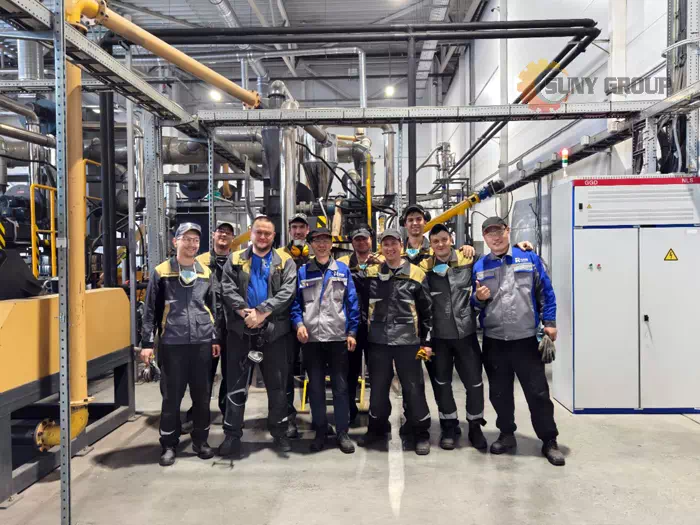
On-site at a Russian client’s facility: PCB recycling equipment

On-site at a Russian client’s facility: PCB recycling equipment

On-site at a Russian client’s facility: PCB recycling equipment

Categories
Products Shredder Equipment

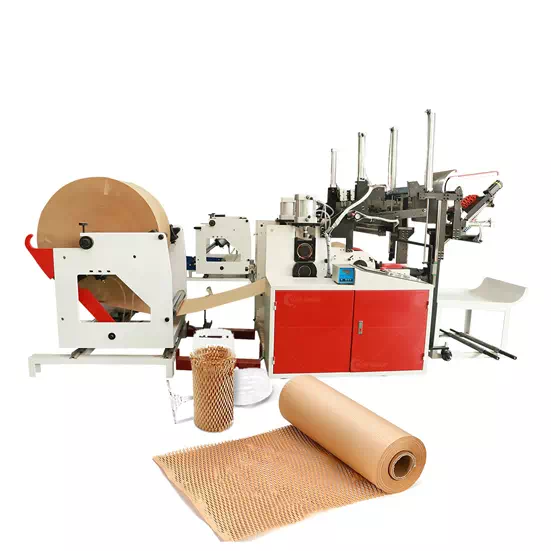
Honeycomb Paper Manufacturing Machine

PRODUCT DESCRIPTION

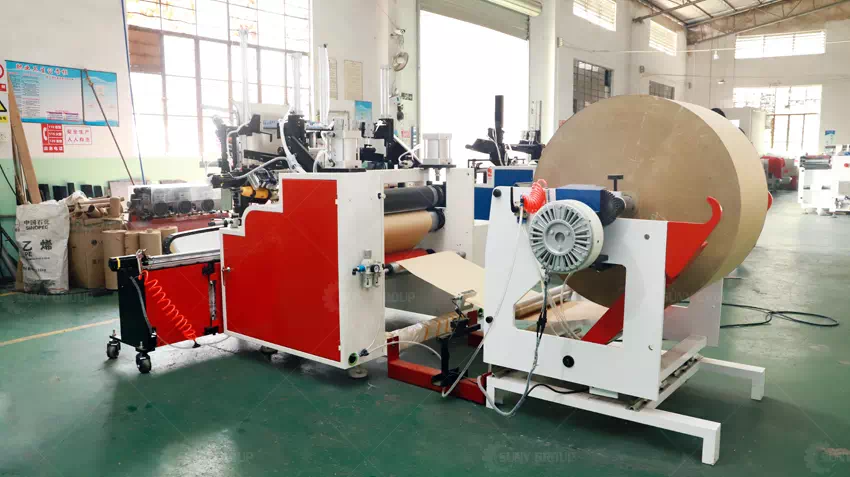
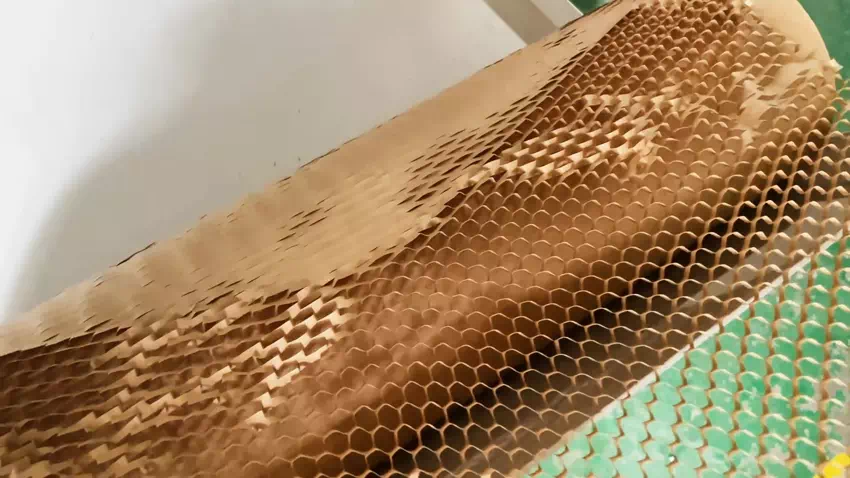
This honeycomb paper making machine is designed for eco-friendly packaging applications, converting kraft paper rolls into expandable honeycomb cushioning paper. It supports a maximum working width of 500mm and handles paper rolls up to 1200mm in diameter. With a maximum speed of 135m/min, it is suitable for continuous production. The machine operates at 8kW power and is compatible with 220V–380V/50Hz, ensuring stable and energy-efficient performance. Its integrated process of perforating, stretching, and rewinding improves efficiency, making it an ideal alternative to plastic packaging such as bubble wrap.

TECHNICAL PARAMETERS

Maximum width of wrapping ≤500mm
Maximum diameter of paper roll ≤1200mm
Maximum winding speed 135m/min
Voltage 220V-380V/50Hz
Power 8kw
Weight 3000kg

APPLICATION SCENARIOS

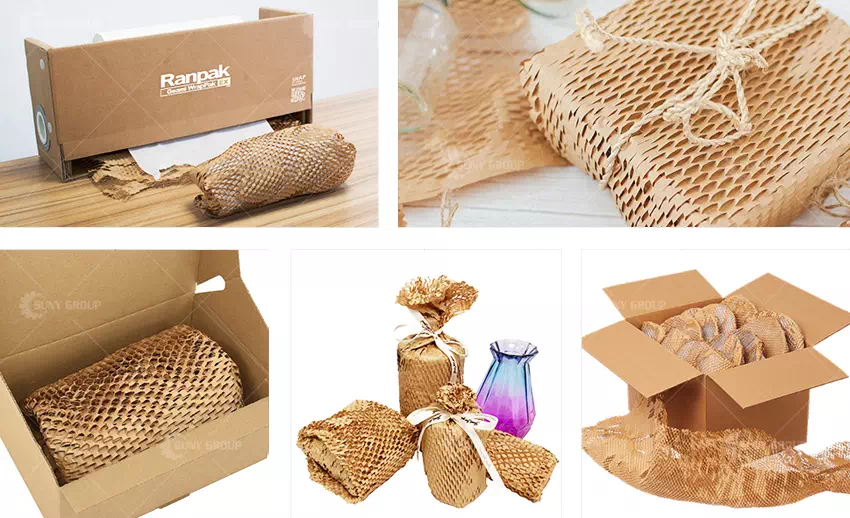
E-commerce protective packaging (bubble wrap alternative)

Void fill cushioning for logistics

Fragile goods packaging (glass, ceramics, electronics)

Industrial product protection

Eco-friendly packaging solutions

Applications of Honeycomb Paper

MACHINE ADVANTAGES

Honeycomb Paper Manufacturing Machine

High efficiency: speed up to 135m/min

Large roll compatibility: supports ≤1200mm diameter

Energy saving: 8kW power reduces operating cost

Integrated design: net forming and rewinding in one

Eco-friendly: replaces plastic packaging materials

Compact structure: about 3000kg, space-saving design

FAQ

Honeycomb Paper

Q1: What materials can be used?

A: Kraft paper, white paper, and recycled paper rolls are supported.

Q2: Can it replace bubble wrap?

A: Yes, it is widely used as a sustainable alternative in e-commerce packaging.

Q3: What is the production capacity?

A: The maximum speed is 135m/min, suitable for continuous production.

Q4: Is it compatible with different voltages?

A: Yes, it supports 220V–380V/50Hz.

Q5: Is it suitable for beginners in packaging business?

A: Yes, it is easy to operate and suitable for new investment projects.

If you are looking for an eco-friendly packaging solution to replace plastic materials, this honeycomb paper machine is a reliable choice.