• SUNY Fackbook
  • SUNY Linkedin
  • SUNY Youtube
Categories
Products Shredder Equipment

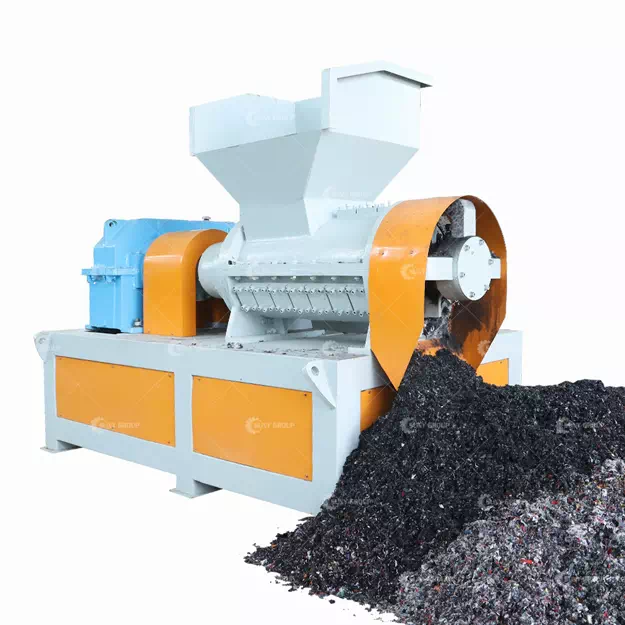
Spiral Shredder for Soft Materials

BACKGROUND AND PAIN POINTS ADDRESSED

Traditional shredders processing soft or fibrous materials commonly suffer from high noise levels, blade entanglement, inconsistent discharge, and frequent maintenance. This is particularly evident in sectors like plastic packaging, waste textiles, and agricultural films, where balancing production efficiency and equipment longevity proves challenging. The spiral shredder for soft materials was developed specifically to address these industry challenges. Its low-speed operation and specialized blade design reduce dust and noise while effectively preventing entanglement and ensuring stable discharge. This significantly enhances continuous processing capability and environmental friendliness.

STRUCTURAL PRINCIPLES
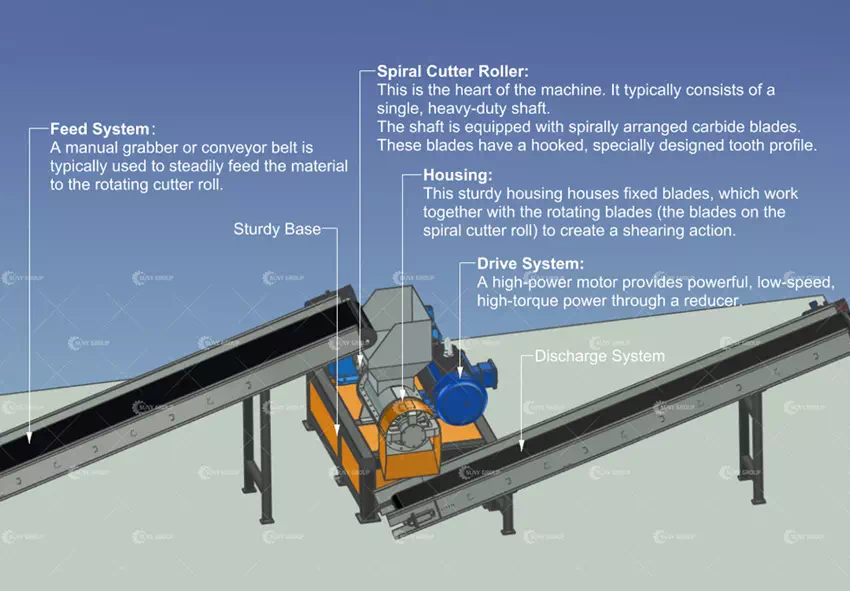
Structural Principles

The core consists of a low-speed, high-torque screw rotor combined with hook-shaped alloy blades. Feed material is progressively drawn, torn, sheared, and compressed by the spiral blades to achieve multidimensional shredding. A heavy-duty motor and reduction system deliver continuous, stable power, while the thick steel frame ensures long-term operation under high loads. Discharge size (10mm–50mm) is flexibly controlled by replacing screens or adjusting chamber length to meet diverse process requirements.

APPLICABLE MATERIALS
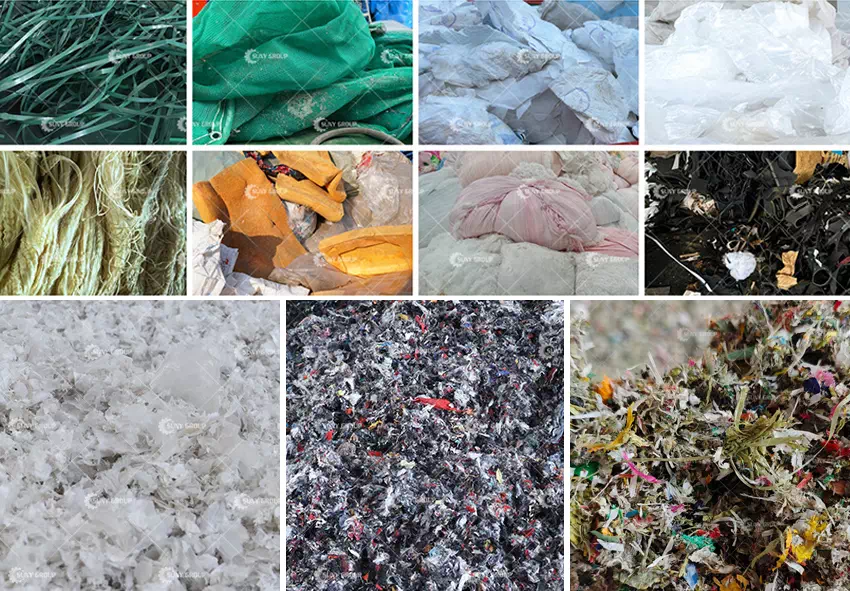
APPLICABLE MATERIALS

This machine processes diverse soft solid wastes: discarded garments, woven bags, plastic films, agricultural mulch, PP strapping bands, pet pads, and other rollable packaging materials. It delivers uniform, controllable discharge, serving as a pre-treatment stage for subsequent washing, pelletizing, compaction, or incineration—achieving volume reduction and efficient conveying.

MACHINE ADVANTAGES
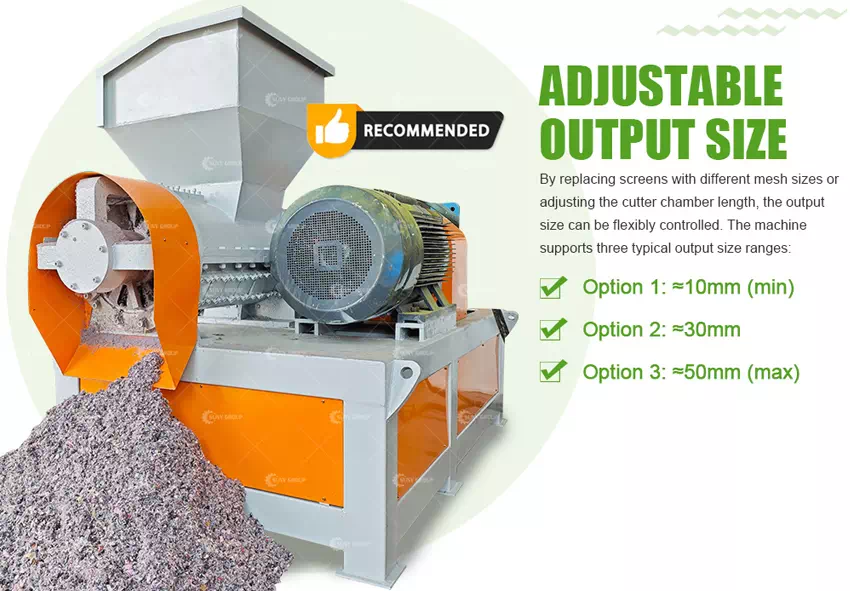
MACHINE ADVANTAGES

Low Noise & Dust: Low-speed cutting significantly reduces dust and noise, making it suitable for workshops with stringent environmental requirements.

Robust Torque: A high-power motor paired with a heavy-duty gear reducer ensures continuous high-load operation.

Anti-Tangling Design: Spiral blades deliver a strong gripping force, effectively processing prone-to-tangle materials like fabrics and ropes.

Adjustable Output: Screen replacement enables variable particle sizes, flexibly adapting to downstream processes.

Easy Maintenance & Long Service Life: Modular structure facilitates cleaning and replacement, reducing operational costs.

This spiral shredder balances stability, durability, and adaptability, providing an efficient and reliable solution for soft material recycling and reuse.
Categories
News

Three-Stage Glass Crushing and Sorting Recycling Machine

This three-stage glass crushing and sorting recycling equipment is designed for the efficient recycling of various types of waste glass, including beverage bottles, glass jars, and architectural glass, enabling rapid crushing and precise grading. With increasing environmental awareness and the widespread use of recycled resources, this compact yet powerful machine is becoming an essential production tool for glass recycling companies and processing plants.

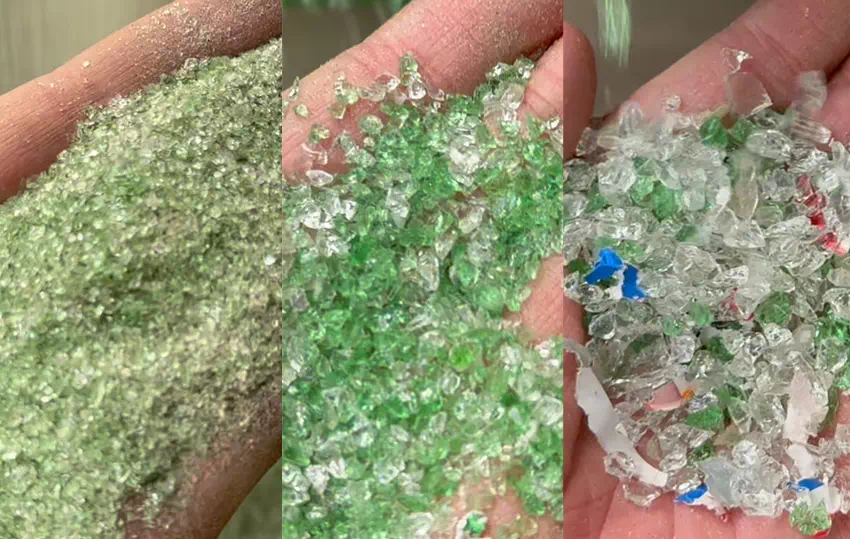
The equipment employs an advanced three-stage crushing and screening system, capable of efficiently processing and finely grading glass. The first stage uses a high-strength crusher to pulverize whole bottles of glass into small pieces; the second stage further refines the fragments, making the particles more uniform; the third stage utilizes a built-in screening system to separate the crushed glass into three different particle sizes—coarse, medium, and fine—suitable for direct application in glass remanufacturing, building materials, or decorative filling.

Three-Stage Glass Crushing and Sorting Recycling Machine

Three-Stage Glass Crushing and Sorting Recycling Machine

Despite its compact size, this equipment boasts powerful performance. Its robust structural design and intelligent control system ensure stable operation over extended periods. The fully enclosed structure effectively prevents dust leakage, maintaining a clean and safe working environment. Major components are constructed from high-strength, wear-resistant materials, suitable for long-term high-load operation and offering a longer service life.

Easy operation and maintenance are major highlights of this equipment. It’s suitable for both small and medium-sized recycling stations and large-scale recycling centers. The modular design allows for quick parts replacement and low maintenance costs. Users can also flexibly adjust the crushing intensity and screening parameters according to actual production needs to achieve ideal crushing and sorting results while reducing energy consumption.

This glass recycling system not only improves recycling efficiency but also helps businesses practice sustainable development. Precise particle size classification allows recycled glass to be directly used in multi-industry production without additional processing, significantly improving economic efficiency. At the same time, the equipment operates quietly, efficiently, and with low energy consumption, meeting modern environmental standards.

If you are looking for a stable, efficient, and environmentally friendly small-scale glass recycling system, this three-stage glass crushing and sorting recycling system is an ideal choice. Please contact us for detailed configuration, processing capacity, and pricing information, as well as comprehensive technical support and solutions.

Categories
Products

Wind Turbine Blade Recycling Machine

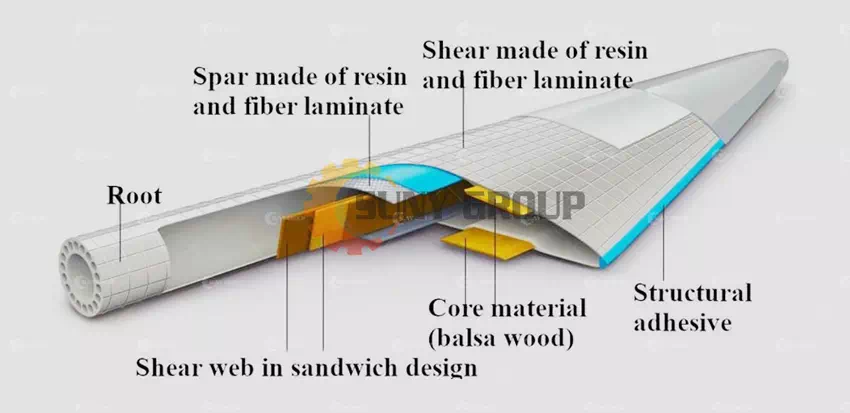
With the rapid growth of global wind power installed capacity, a large number of retired wind turbine blades face the problem of stockpiling and landfilling. The blades are mainly composed of composite materials such as glass fiber, resin, and balsa wood, and traditional treatment methods are difficult to implement in an environmentally friendly and efficient manner. Therefore, the development of wind turbine blade recycling equipment can not only reduce environmental pollution but also achieve resource recycling, aligning with the trend of green circular economy development.

STRUCTURAL PRINCIPLES

Structural Principles

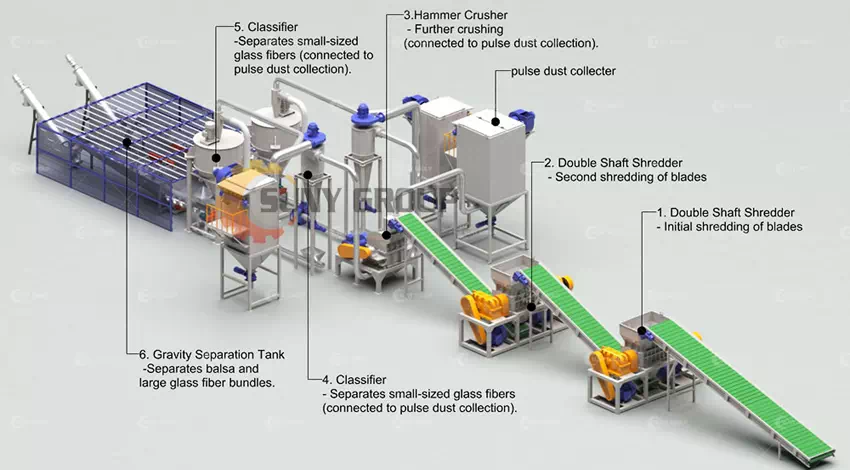
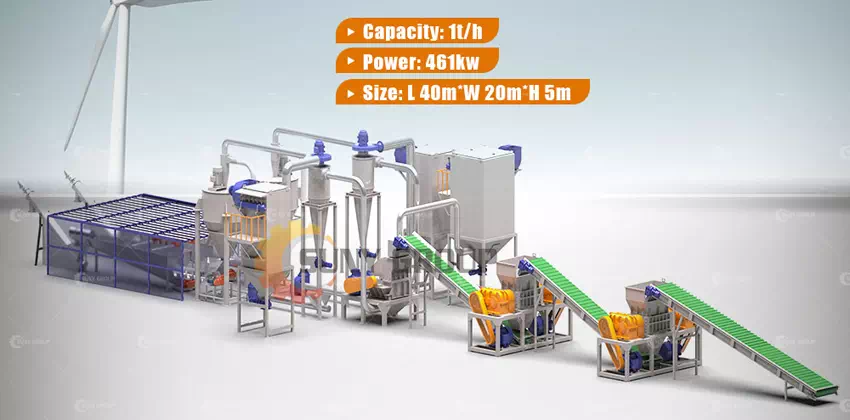
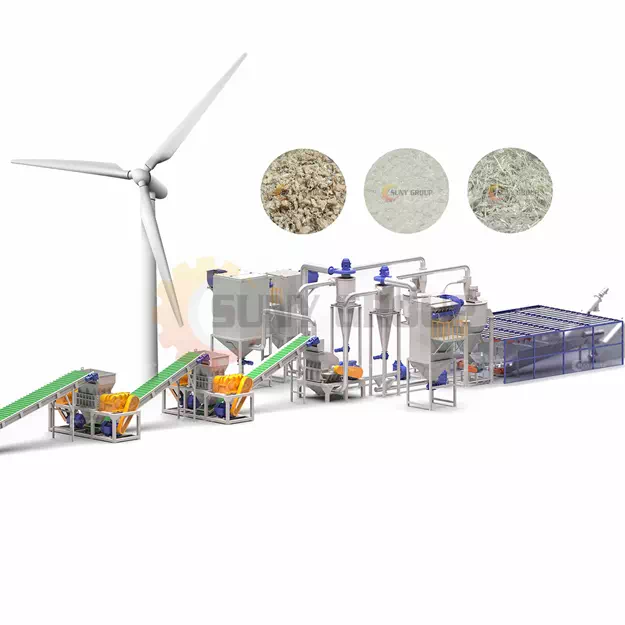
The entire production line consists of a twin-shaft crusher, a hammer crusher, a separator, a gravity separator, and a pulse dust removal system.

Primary and Secondary Twin-Shaft Crusher: Coarsely crushes the whole blade into smaller pieces.

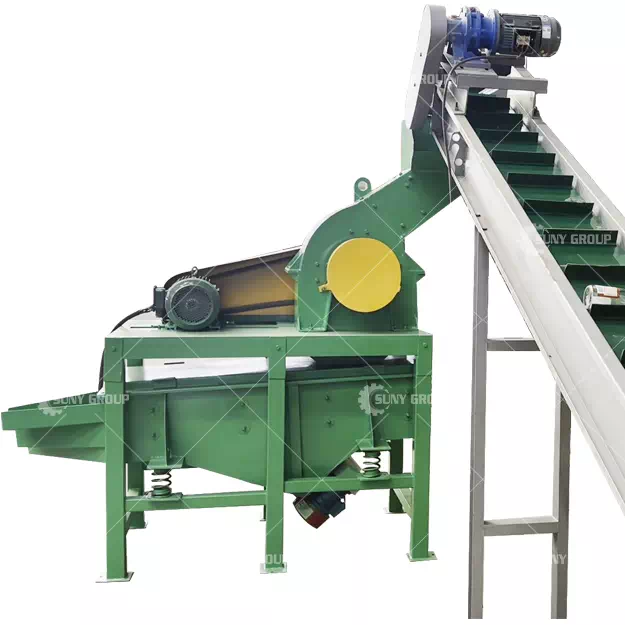
Hammer Crusher: Further refines the material and controls particle size through a screen. Sorting machine: Separates glass fiber powder of different sizes.

Gravity separator: Separates lightweight balsa wood from large bundles of glass fiber.

Pulse jet dust collector: Highly efficient dust removal, capturing dust particles ≥0.3 microns, ensuring a clean production environment.

The entire line is intelligently controlled by a PLC, achieving automated operation, fault alarms, and a bilingual operating interface.

RECYCLED MATERIALS

Wind Turbine Blade Structure

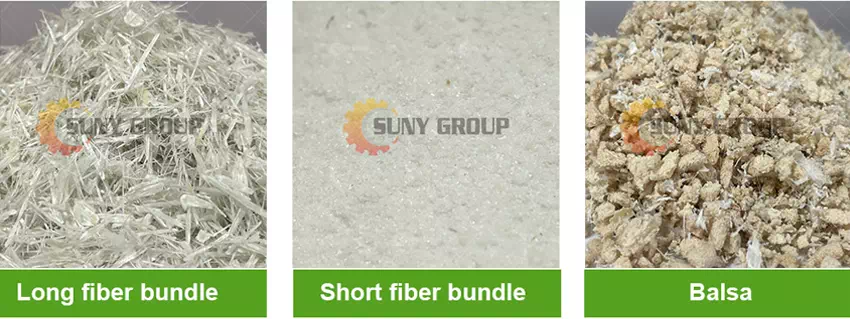
Through three-stage crushing and three-step sorting, the recycled materials mainly include:

Short glass fiber bundles: Used for plastic reinforcement, insulation materials, etc..

Long glass fiber bundles: Can be reused in composite panels or structural materials;

Basa wood: Can be used in lightweight building materials, composite core materials, etc.

The overall line recycling rate can reach over 95%, significantly improving the resource utilization level of waste wind turbine blades.

Recycled Materials

MACHINE ADVANTAGES

Wind Turbine Blade Recycling Machine

Intelligent Control System: PLC automated operation, safe and efficient;

High Recovery Rate: Multi-stage sorting technology, high purity of recovered materials;

Low Dust Emissions: Dual-pulse dust collector, superior environmental performance;

Modular Design: Convenient installation and maintenance, small footprint.

Economical and Environmentally Friendly: Enables resource recycling of waste wind turbine blades, in line with the concept of sustainable development.

Categories
Products Scrap Metal Recycling Equipment

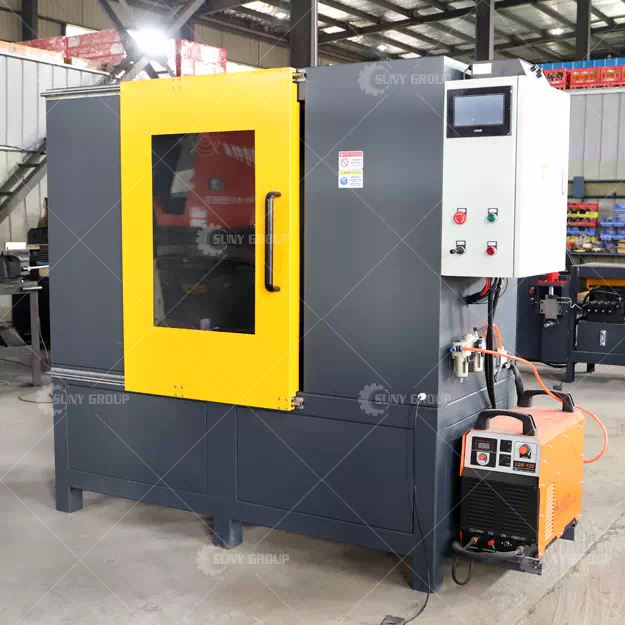
Plasma Compressor Shell Cutting Machine

BACKGROUND OF THE PROJECT

The plasma compressor cutting machine is an intelligent device designed specifically for disassembling air conditioner and refrigerator compressor casings. Using plasma cutting technology, it efficiently cuts through the casing and quickly separates the stator and rotor, achieving safe, precise, and automated operation.

WORKING PRINCIPLE

The machine operates fully automatically via a PLC control system. The compressor is secured in a clamping mechanism, and rotating components precisely position it. Three cutting modes are available, depending on the model: single-circle cutting for refrigerator compressors opens the top cover, while double-circle cutting with vertical cutting for air conditioner compressors allows for complete disassembly. The plasma cutting head generates a high-temperature arc, which rapidly cuts through the metal casing and easily removes the internal stator and rotor. A fume removal system ensures a clean and safe operating environment during the cutting process.

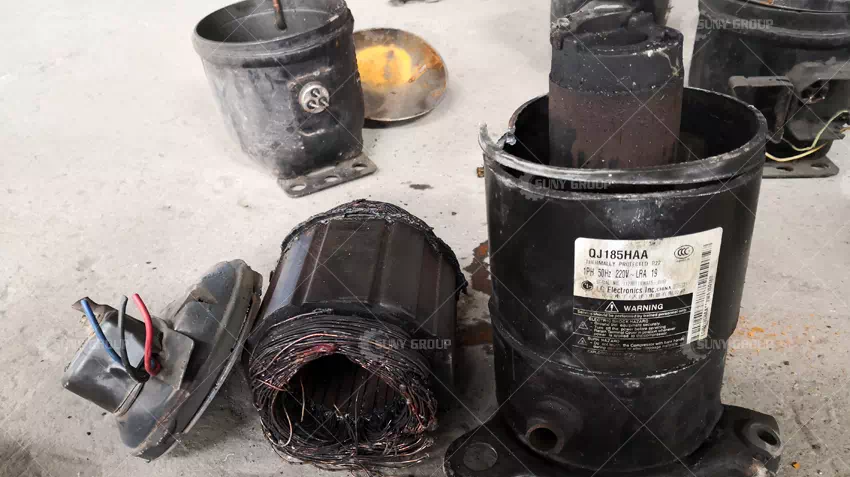
Disassembled Compressor

MACHINE ADVANTAGES

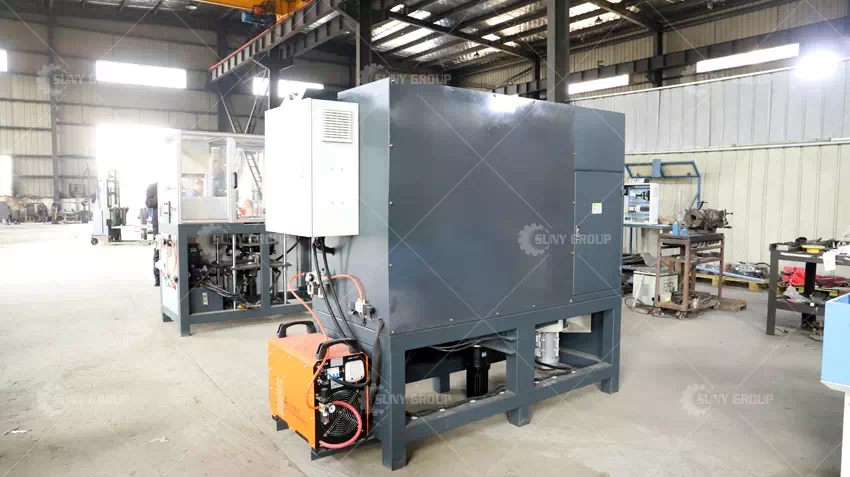
Plasma Compressor Shell Cutting Machine

Efficient and Fast: Compressor cutting can be completed in 30 seconds, significantly improving work efficiency.

Multi-Mode Cutting: Three cutting modes are available, compatible with different compressor models.

Intelligent Operation: PLC touch screen control, highly automated.

Safe and Environmentally Friendly: Enclosed cutting machine with smoke treatment system, no open flames, for greater safety.

Reasonable Structure: Integrated design, easy maintenance, and stable and reliable performance.

Categories
Products Scrap Metal Recycling Equipment

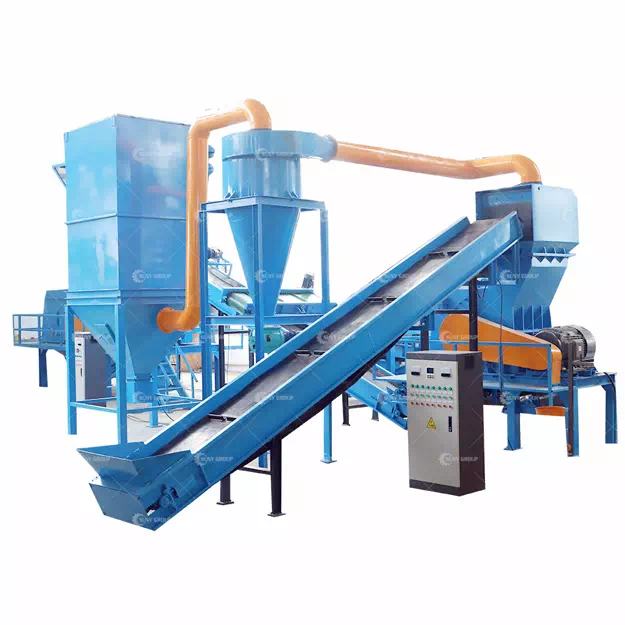
Scrap Metal Crushing and Sorting Line

BACKGROUND OF THE PROJECT

With the continuous advancement of industrialization and urbanization, society’s demand for metal resources continues to grow, while the volume of scrap metal generated has also surged dramatically. Traditional methods of landfill disposal or crude processing not only waste renewable resources but also cause severe environmental pollution. Against this backdrop, metal shredding and sorting production lines have emerged. Through efficient mechanical crushing and physical sorting technologies, these systems enable the harmless treatment and high-purity recovery of various mixed scrap metals. This approach achieves resource reuse while balancing energy conservation, emission reduction, and economic value.

STRUCTURAL PRINCIPLE

STRUCTURAL PRINCIPLE

STRUCTURAL PRINCIPLE

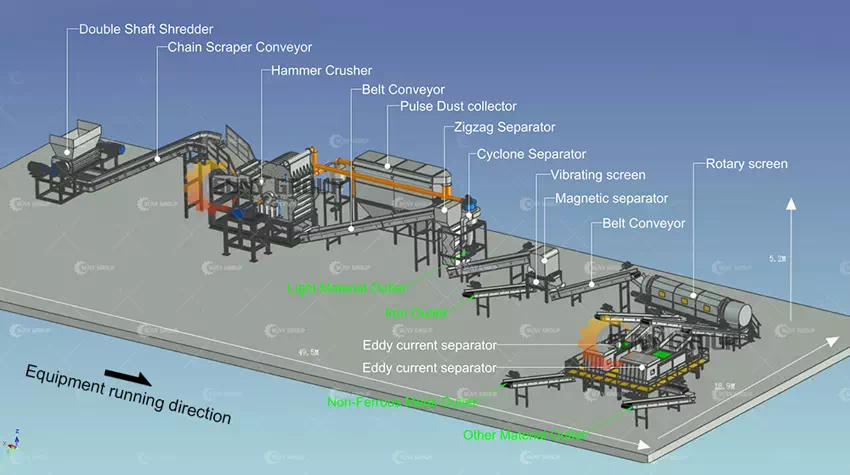
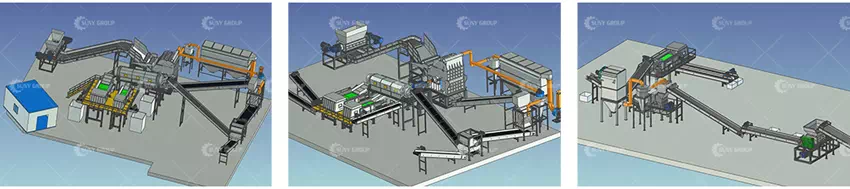
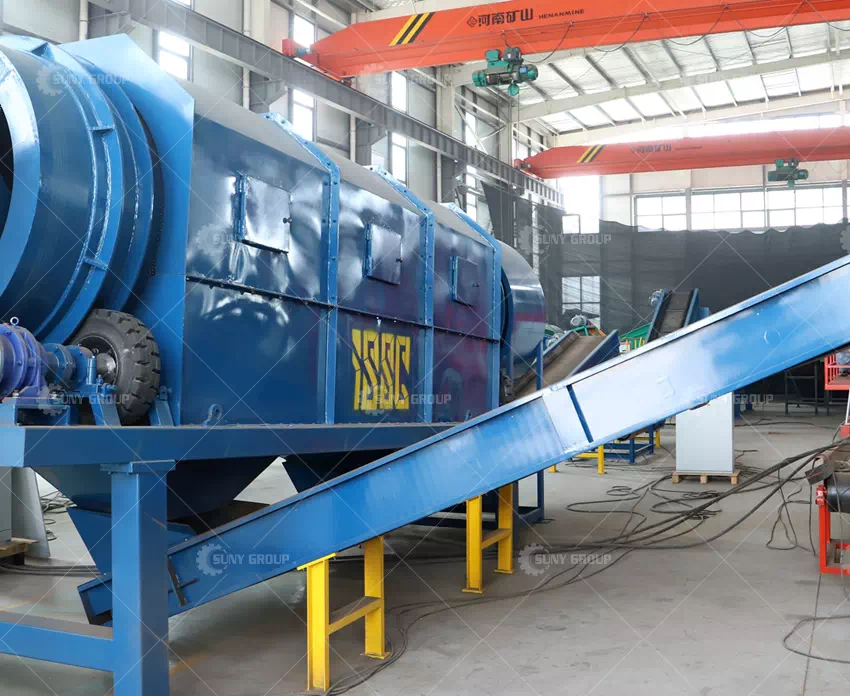
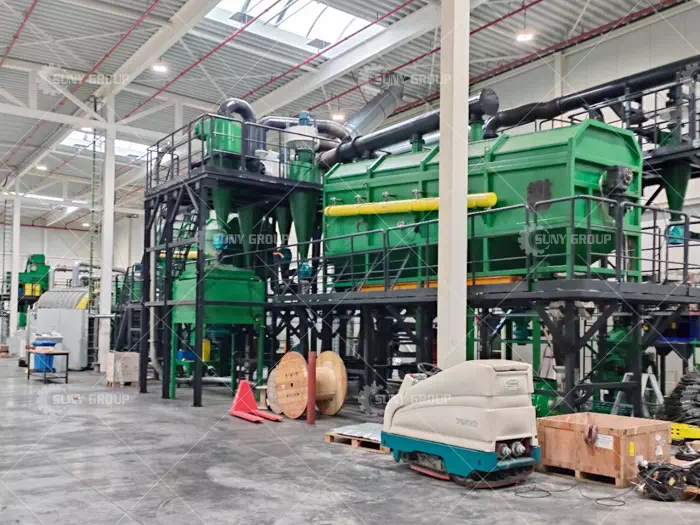
First, the dual-shaft shredder coarsely breaks large metal items into chunks. These are then reduced to small particles through high-speed hammering in the metal crusher. Subsequently, materials enter the zigzag air classifier for density-based separation of light and heavy substances. Iron impurities are removed via the magnetic separator, while the drum screen sorts particles by size. Finally, the eddy current separator thoroughly separates non-ferrous metals like copper and aluminum from plastics, yielding high-purity metal raw materials.

APPLICABLE MATERIALS AND OUTPUT

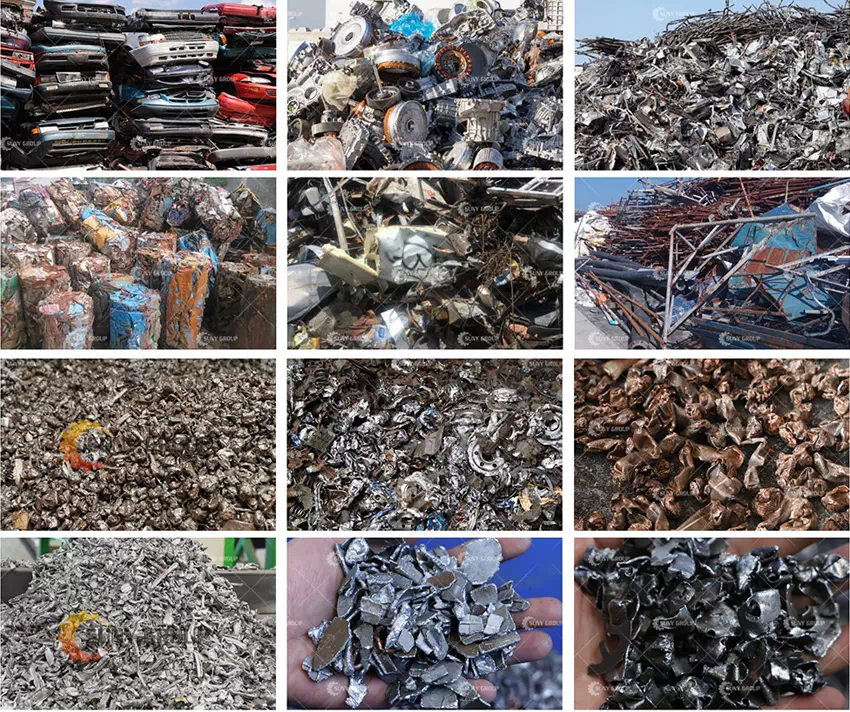
Suitable for scrap automotive bodies, appliance casings, waste aluminum, copper, iron, and mixed metal scraps. Output features uniform particle size and high purity, achieving over 98% metal separation efficiency. Iron, aluminum, copper, and non-metals can be separately recycled, providing premium raw materials for subsequent smelting and regeneration processes.

APPLICABLE MATERIALS AND OUTPUT

EQUIPMENT ADVANTAGES

Scrap Metal Crushing and Sorting Line

Scientifically designed process ensures high recovery rates; robust and durable construction with simple maintenance; fully automated intelligent control system guarantees stable and reliable operation; equipped with dust removal and noise suppression devices for environmental compliance; customized solutions available based on material type and processing volume to maximize investment returns.

Categories
Case

Belgian Customer Lithium Battery Recycling Production Line

Belgian Customer Lithium Battery Recycling Production Line

Belgian Customer Lithium Battery Recycling Production Line

Categories
Products Shredder Equipment

Industrial Glass Crusher Machines

With industrial development and rising living standards, the amount of waste glass generated continues to increase. How can this waste glass be efficiently recycled and reused? SUNY GROUP’s glass crushing and sorting equipment is specifically designed for waste glass recycling, enabling companies to convert glass waste into reusable raw materials, achieve resource recycling, and increase profitability.

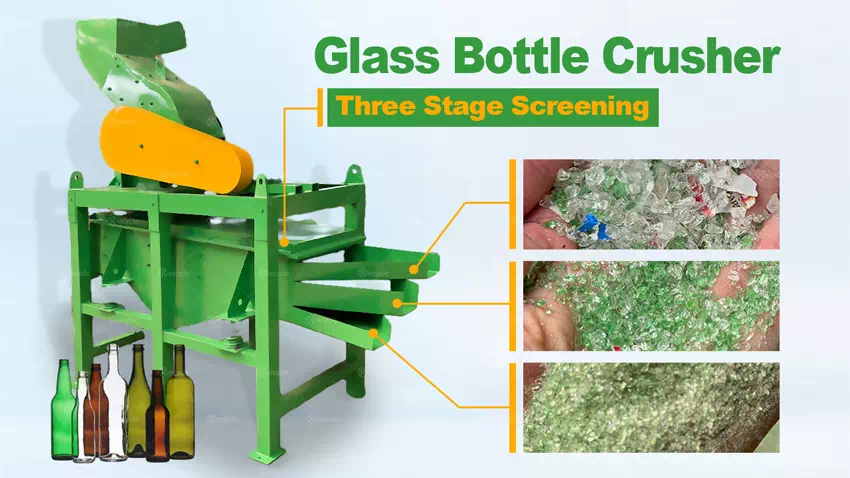
Glass Bottle Crusher

STRUCTURAL PRINCIPLE

Glass crushing and sorting equipment integrates crushing and sorting functions for a single-piece operation. The equipment features an efficient crushing mechanism that crushes waste glass into varying particle sizes. It also features a three-layer horizontal screening system and a high-efficiency separation device for intelligent classification of glass particles. By adjusting the crushing structure and screen settings, the equipment can precisely control the output of coarse, fine, and micronized particles to meet the glass particle size requirements of various industrial applications.

APPLICABLE RAW MATERIALS AND PARTICLE CLASSIFICATION

This equipment is suitable for all types of waste glass, including architectural glass, container glass, and industrial waste glass. After crushing and sorting, it produces coarse, fine, and micronized particles, enabling particle grading and screening. These granules can be used in a variety of applications, including building materials, recycled glass products, and industrial fillers, maximizing the utilization of waste glass resources.

APPLICABLE RAW MATERIALS AND PARTICLE CLASSIFICATION

EQUIPMENT ADVANTAGES

Multi-Function Integration: Crushing, pulverizing, and sorting are completed in one step, saving equipment investment and space.

Controllable Particle Size: By adjusting the screen and crushing mechanism, the glass particle size can be customized to suit different applications.

Easy Maintenance: The modular design facilitates cleaning and repair, reducing operating costs.

Stable Operation: High-quality motors and vibration-damping systems ensure stable, efficient operation over the long term.

Increasing Resource Value: Converting waste glass into high-value-added renewable materials creates a win-win for both the economy and the environment.

Categories
Copper Wire Recycling Machine Products

Jelly Filled Cable Recycling Machine

BACKGROUND OF THE PROJECT

With the rapid development of global communications and power infrastructure, the amount of discarded cables (especially jelly-filled cables containing waterproof grease) has increased dramatically. Traditional incineration or simple recycling methods are not only inefficient but also cause serious environmental pollution. To address this problem and respond to global calls for sustainable resource utilization and environmental protection, a highly efficient, low-pollution jelly cable recycling line has emerged that is capable of separating copper and plastic with high purity.

Jelly Filled Cable Recycling Machine

STRUCTURAL PRINCIPLE

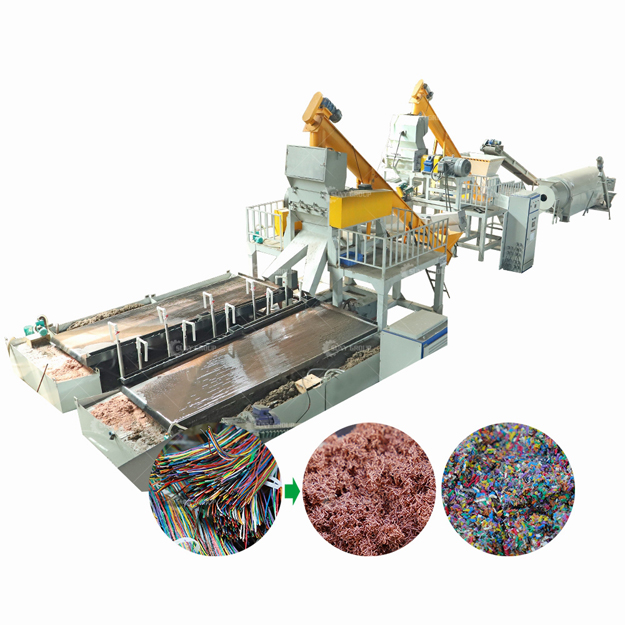
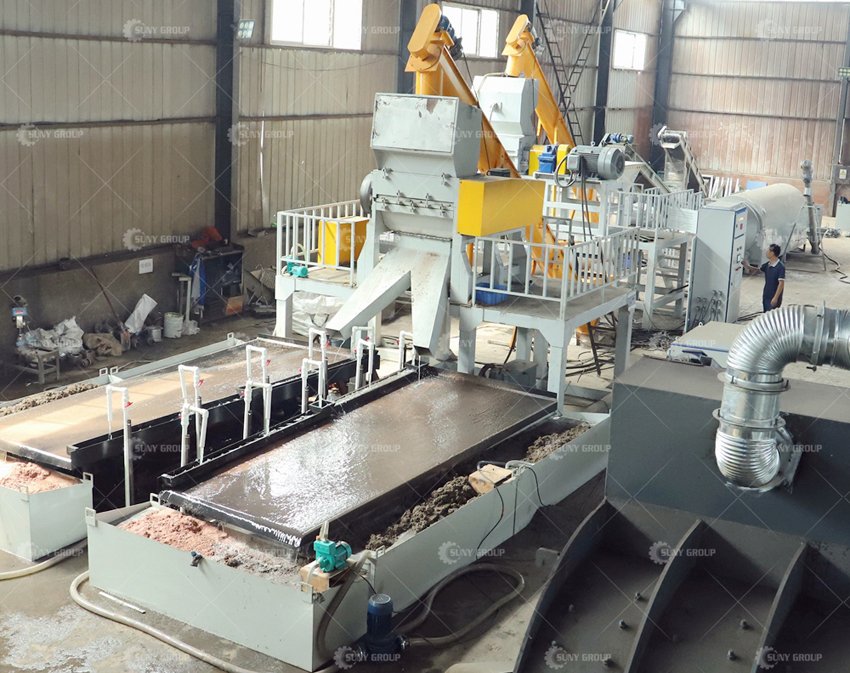
The recycling line utilizes a combined process of “primary crushing + vibrating screen and magnetic separation + flotation separation + fine crushing + shaker density separation.” The specific process is as follows:

Primary Crushing: Scrap jelly cables are crushed to approximately 2-3 cm in size using a wire separator.

Screening and Magnetic Separation: The material is subjected to a vibrating screen for particle size classification, followed by a magnetic separator to remove ferrous metal impurities (including iron).

Flotation Separation: The crushed cables enter a flotation tank, where water flotation separates the plastic sheathing, including any that may have been broken during the primary crushing.

Fine Crushing: After plastic separation, the material passes through a screw conveyor and enters a knife crusher for further fine crushing to approximately 2mm particles.

Shaking Table Sorting: The finely crushed material enters a shaking table, where the density difference between copper and plastic is utilized for final separation, resulting in high-purity copper and clean plastic.

APPLICATION RAW MATERIALS

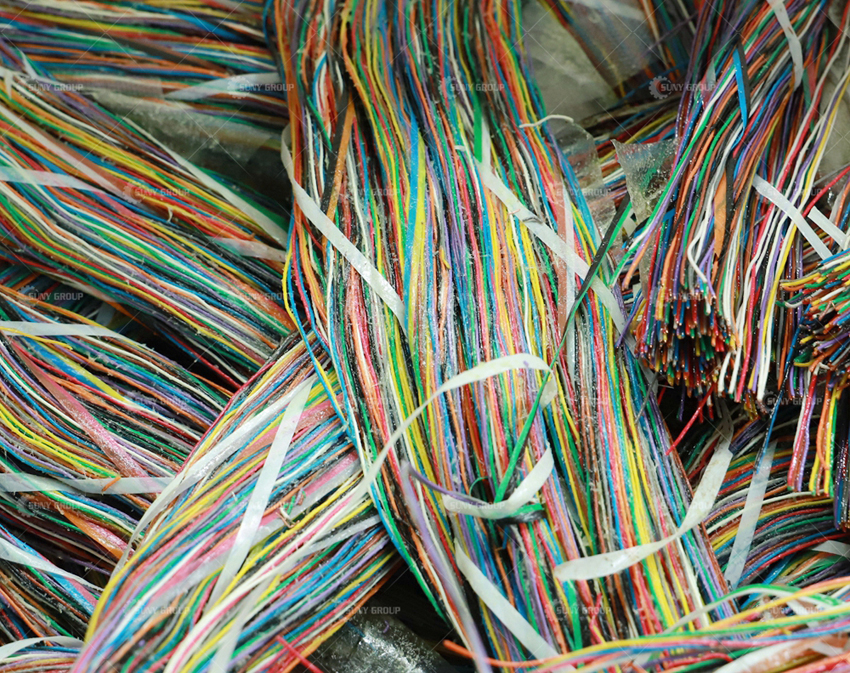
This recycling line is primarily used to process discarded jelly-filled cables. These cables are typically filled with a jelly-like waterproof grease. The line is designed to efficiently process jelly-filled cables of various specifications and sizes.

Waste Introduction (Jelly-Filled Cable)

FINAL PRODUCT

The recycling line ultimately produces high-purity copper particles and clean plastic particles.

Copper Particle Purity: Thanks to high-precision shaker separation, copper purity can reach 99% or higher.

Post-Processing: The separated copper particles are dehydrated in a dehydrator and then dried in a dryer with high-efficiency hot air to ensure clean and uniform copper particles.

Output Description (Pure Copper)

FEATURE

High Recovery and High Purity:

A combined process ensures high recovery rates for copper and plastic sheathing with minimal losses.

The final copper particle purity can reach 99% or higher.

High Automation and Low Cost:

The equipment is equipped with a centralized PLC control system, enabling intelligent and automated management of the entire production line.

A user-friendly interface allows for flexible parameter adjustment, ensuring efficient and stable operation and reducing labor costs.

Environmentally Friendly and Low Emissions:

Water recycling technology is used to achieve environmentally friendly and low-emission operations.

Design Flexibility:

The equipment’s flexible design allows for efficient processing of jelly cables of varying sizes.

Categories
News

EV Battery Recycling Machinery

With the rapid adoption of new energy vehicles, a large number of lithium batteries are gradually reaching end-of-life after years of service. Efficiently and safely recycling these power batteries has become crucial for the sustainable development of the new energy industry. The power battery recycling equipment developed by SUNY GROUP uses intelligent, environmentally friendly processing techniques to efficiently recover valuable metals from batteries.

Intelligent crushing and sorting for efficient extraction of valuable metals

EV Battery Recycling Machinery

EV Battery Recycling Machinery

This recycling system utilizes advanced automated crushing, screening, and sorting technologies to process various types of power batteries, including ternary lithium batteries and lithium iron phosphate batteries. The equipment is equipped with a disassembly system, crushing system, screening machine, gravity separator, magnetic separator, and air flow separation device. Through a multi-stage physical separation process, materials such as copper, aluminum, nickel, cobalt, lithium powder, and plastic casings can be effectively recovered. The entire line operates with a high degree of automation, achieving high material separation accuracy and a metal recovery rate exceeding 95%, providing reliable support for the reuse of battery raw materials.

Green and environmentally friendly processes contribute to the development of a circular economy.

The power battery recycling equipment utilizes a purely physical processing method without chemical solvents or wastewater discharge, avoiding the environmental risks associated with traditional hydrometallurgical processes. The system is equipped with dust removal and exhaust gas purification devices to ensure a safe and clean operating environment. With its low energy consumption, quiet operation, and easy maintenance, it is particularly suitable for new energy recycling companies, metal recycling plants, and environmental treatment centers.

Power battery recycling equipment not only extends the life cycle of materials but also promotes the green transformation of the new energy industry. Through scientific recycling and resource reuse, every retired battery can be given a new lease of life, injecting sustainable momentum into global new energy development.

Categories
News

Aluminum Plastic Separation and Recycling Plant

Aluminum-plastic composite film (also known as aluminum foil) is a widely used material for food, pharmaceutical, cosmetic, and industrial packaging. Composed of aluminum foil and plastic, it offers excellent barrier properties, moisture resistance, and heat resistance. However, due to the composite nature of the material, traditional processing methods struggle to effectively separate the aluminum from the plastic, resulting in waste of resources and increased environmental pressure.

Aluminum Plastic Separation and Recycling Plant

Aluminum Plastic Separation and Recycling Plant

Efficient Physical Separation Process

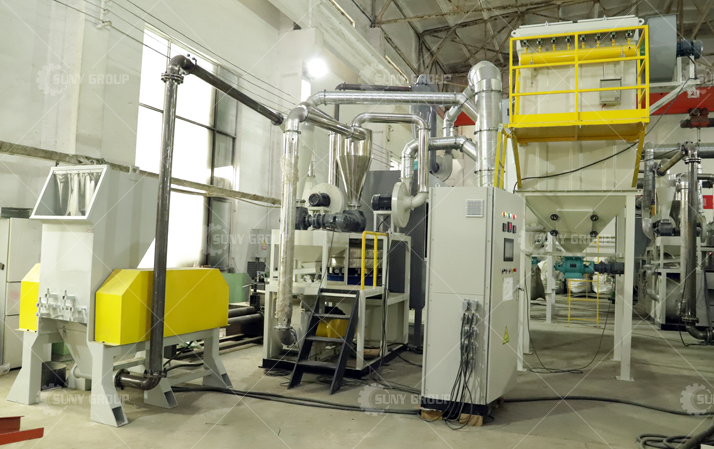
The aluminum-plastic separation and recycling line utilizes advanced physical separation technology, combining a crusher, mill, and electrostatic separator to achieve high-purity separation of aluminum and plastic. The entire process uses no chemical solvents, resulting in no secondary pollution, and is safe and environmentally friendly. The crushing and milling stages thoroughly disintegrate the composite film, while the electrostatic separation stage precisely separates aluminum powder and plastic particles, resulting in a high separation rate and significant recovery efficiency.

Low Cost, High Recovery Rate

Compared to chemical methods or high-temperature incineration, this physical separation method offers a simple structure, stable operation, and low maintenance costs. The separated aluminum powder can be reused in metallurgy or aluminum product manufacturing, while the plastic particles can be reprocessed into plastic products, achieving resource recycling. This system maximizes economic benefits while ensuring environmental protection, making it an ideal choice for small and medium-sized recycling companies.

The aluminum-plastic separation and recycling line not only provides companies with an efficient and sustainable recycling solution but also contributes to global green environmental protection. For more equipment details, product catalogs, and quotes, please contact us.

Categories
News

Complete Line for Recycling Solar Panels

Directly discarding a large number of scrapped or damaged solar panels not only wastes the valuable resources they contain but also poses a significant environmental risk. Therefore, building a comprehensive solar panel recycling line is a natural choice for the industry’s development.

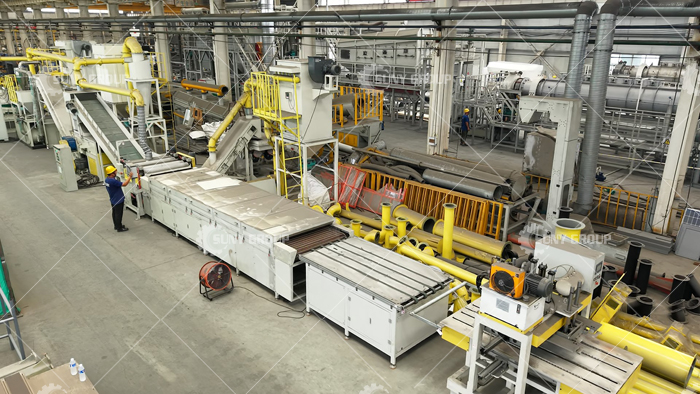
Designed from the outset as a “green closed-loop,” this comprehensive solar panel recycling line features a clear and efficient process. Recycling begins with pre-processing the panels, including automated disassembly equipment to separate the junction box and aluminum frame. This process avoids the inefficiency and dangers of traditional manual disassembly while maximizing the integrity of the removed aluminum and plastic components. The aluminum frame can be directly recycled, while the copper in the junction box and cables can be further extracted and reused.

Photovoltaic panel pyrolysis recycling equipment in Shaanxi

Photovoltaic panel pyrolysis recycling equipment in Shaanxi

Next, the core process is the separation of the photovoltaic glass and silicon wafers. Specialized separation equipment physically separates the glass and cell layers, preserving over 90% of the glass intact for reuse in the building materials or glass manufacturing industries. Thermal or chemical processes remove the encapsulating material from the cell, yielding high-purity silicon, silver, and a small amount of rare metals. These extracted resources can not only be recycled back into new photovoltaic module production but also used in high-tech industries like semiconductors, truly achieving resource recycling.

Another major advantage of this entire production line lies in its high level of automation and intelligence. Each process is coordinated by a central control system, which not only improves processing efficiency but also reduces labor costs and operational risks. Furthermore, supporting environmental protection measures are essential. For example, dust collection and exhaust gas purification devices ensure that secondary pollution is eliminated during processing, while the use of a water recycling system significantly reduces industrial water waste. This design concept, which balances economic efficiency with environmental responsibility, ensures that the entire production line meets the green standards of future industrial development.

Overall, this complete solar panel recycling production line not only solves the waste problem in the photovoltaic industry but also provides a practical solution for the circular economy. It organically combines environmental protection, resource recycling, and economic benefits, truly making the clean energy industry not only “clean” but also “sustainable.” In the future, this system is bound to become a major force in promoting global green energy development.

Categories
News

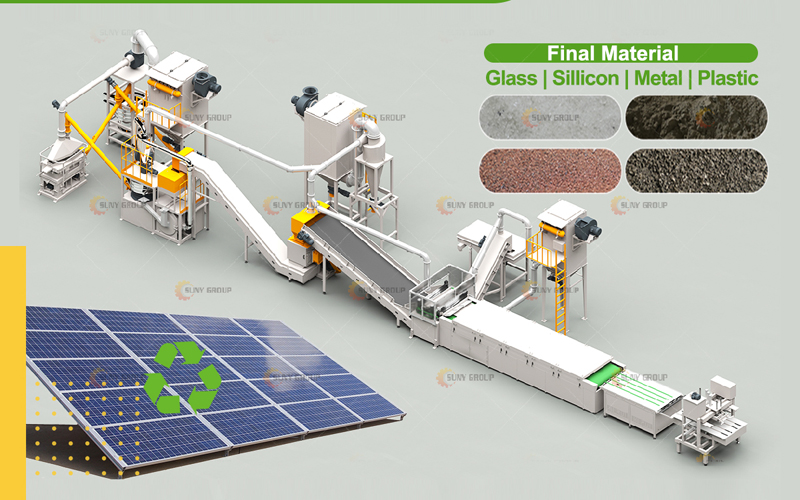
Solar Panel Recycling Production Line

With the rapid development of the photovoltaic industry, the number of newly installed solar panels worldwide continues to climb annually. However, the lifespan of solar panels is typically only 20 to 25 years, resulting in a large number of panels reaching end-of-life. Improper handling not only wastes valuable resources but also potentially pollutes the environment. Therefore, building a comprehensive solar panel recycling production line has become a crucial component of green development in the photovoltaic industry.

Core Equipment in a Recycling Line

Solar Panel Recycling Production Line

Solar Panel Recycling Production Line

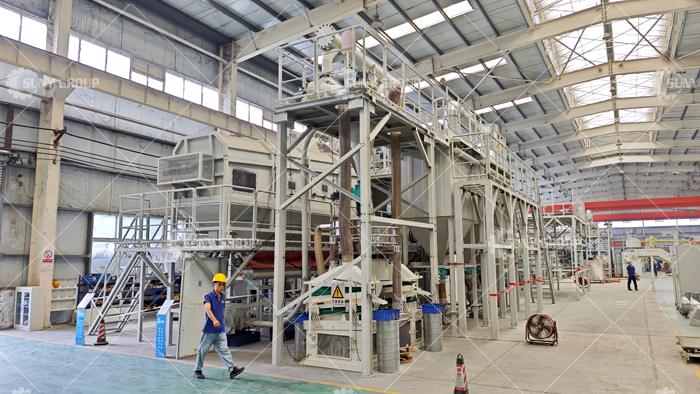
A complete solar panel recycling line typically includes key steps: disassembly, crushing, separation, and purification. First, automated disassembly equipment efficiently removes the panels’ frames and junction boxes, ensuring smooth subsequent processing. Next, a crusher pulverizes the entire panel into small particles for subsequent sorting. Subsequently, magnetic separation, gravity separation, and airflow separation equipment work together to gradually separate the glass, silicon wafers, aluminum frames, copper wire, and small amounts of precious metals. Mixed materials containing residual fine metals can be further purified through an electrostatic separation system to maximize resource recovery. The entire process is not only automated and highly efficient, but also allows for the secondary use of high-value materials such as silicon, silver, and aluminum.

Technical Advantages and Application Prospects

Advanced solar panel recycling lines offer multiple advantages: environmental friendliness, cost-effectiveness, and intelligence. Pulse dust removal and a sealed conveying system effectively control dust emissions, ensuring a green production environment. A modular design allows flexible configuration based on processing scale. An intelligent control system significantly reduces labor costs and operational complexity. As the renewable energy industry continues to grow, these recycling lines will not only help businesses achieve sustainable development but will also become a crucial component of the circular economy. In the future, whoever pioneers the development of an efficient photovoltaic panel recycling system will seize the leading position in the new energy industry chain.